


7 success stories from African civil society in 2025
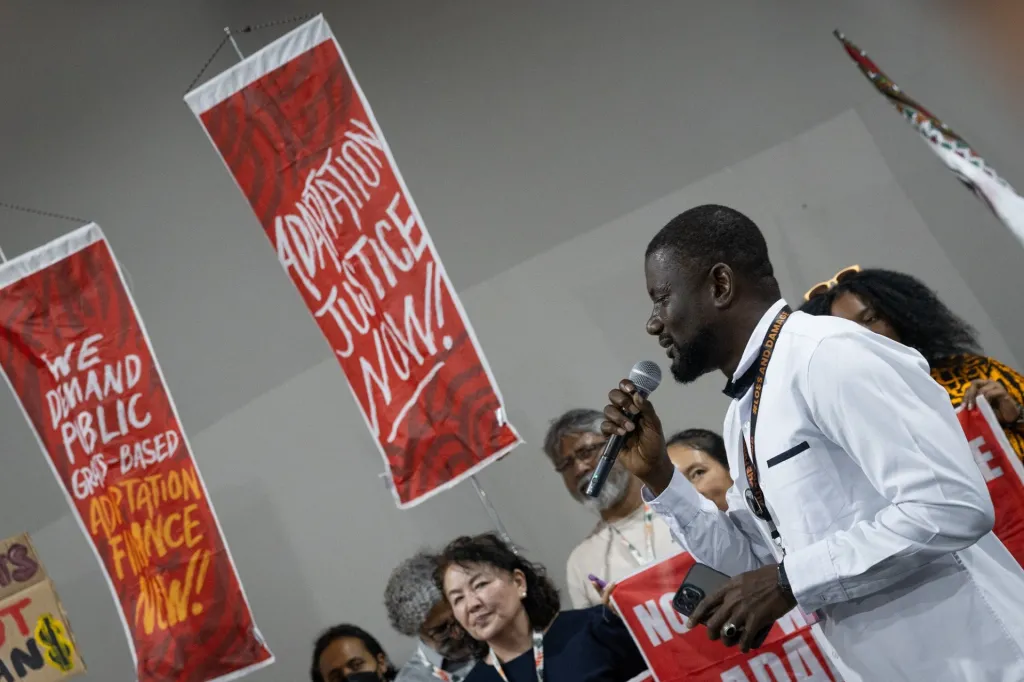
Strengthening African leadership in climate action
At COP30 in Belém, African civil society made its voice impossible to ignore. Yet despite being among the regions hardest hit by the climate crisis, African communities still face major barriers to influencing global decisions on climate finance, adaptation and loss and damage.
Ahead of the summit, more than 40 African civil society organisations came together around a shared position paper calling for climate justice rooted in fairness and equity. The paper demanded scaled-up climate finance for vulnerable countries, accessible grant-based funding for communities facing climate loss and damage, stronger adaptation commitments, gender justice, a just transition and meaningful inclusion of affected communities in decision-making.
ForumCiv played a central role in this process. As co-lead of the Africa CSOs Pre-COP30 process, we helped coordinate and shape a unified position paper that reflected shared priorities from across the continent. We also carried these demands into the negotiations in Belém, helping ensure African perspectives stayed at the centre of climate justice discussions.
Several outcomes at COP30 reflected these priorities. The summit advanced political momentum around scaling climate finance and strengthening support for vulnerable countries, including progress connected to the Baku-to-Belém finance roadmap. There were also important steps toward operationalising the Fund for Responding to Loss and Damage, a key demand from African civil society, alongside new indicators for climate resilience and further discussions on gender justice and a just transition.
Not all demands were fully realised. But COP30 strengthened coordination, visibility and collective advocacy among African civil society organisations, creating a stronger platform to continue pushing for climate justice at COP31 and beyond.
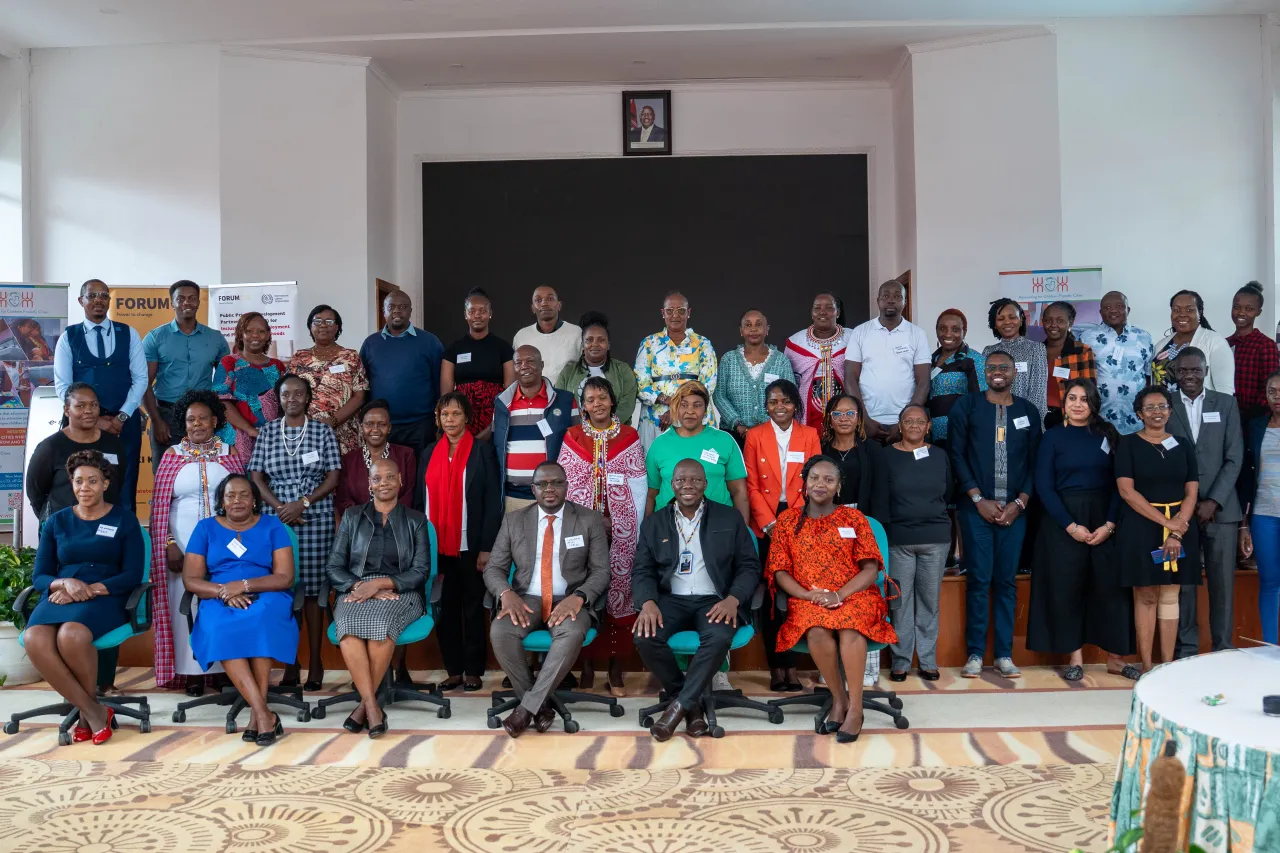
ForumCiv champions Kenya’s landmark National Care Policy for gender equality
In Kenya, unpaid care work remains one of the most overlooked drivers of gender inequality. Women and girls carry the overwhelming responsibility for domestic and care work, spending on average three hours and 36 minutes more per day on unpaid care tasks than men. This limits their opportunities to access education, paid work, leadership roles and civic participation. The burden is especially severe in Narok and Kajiado Counties, where patriarchal norms and limited public services deepen existing inequalities.
To address this, Kenya adopted a landmark National Care Policy aimed at recognising unpaid care work as essential social and economic labour. The policy promotes a fairer redistribution of care responsibilities and calls for greater investment in care-supporting infrastructure and public services that can reduce the burden placed on women and girls.
ForumCiv played a key role in helping move the policy from advocacy to national adoption through its Public-Private Development Partnerships (PPDP) project. We convened multi-stakeholder dialogues, strengthened collaboration between civil society, government and local actors, and helped ensure that unpaid care work became a national priority.
A major milestone was the International Day for Care and Support town-hall event, organised together with the State Department for Gender and Affirmative Action, Narok County Gender Department and the Maasai Mara Wildlife Conservancy Association, and broadcast nationally across Kenya. By amplifying community voices and increasing public awareness, the event helped build momentum that contributed to the Cabinet approval of the National Care Policy on 15 December 2025.
The adoption of the policy marks an important step toward addressing structural gender inequalities and recognising care work as a shared societal responsibility rather than an invisible burden carried primarily by women and girls.
How young women are transforming their communities
In Kilifi and Kwale in Kenya, many young women were not part of the decisions affecting their lives and communities. Conversations around Gender-Based Violence (GBV) and Sexual and Reproductive Health and Rights (SRHR) often happened without young women having the space, confidence or opportunities to influence them.
Akili Dada’s Hamasisha Dada project worked to change this by creating safe spaces and mentorship opportunities where 20 young women could build confidence, advocacy skills and collective power. The project supported participants to step into leadership roles and engage in county-level conversations on GBV and SRHR.
ForumCiv supported the project by helping strengthen young women’s organising and leadership. Through this support, participants were able to move from being unheard to actively shaping discussions and initiatives in their communities.
The results were significant. Two young women were appointed as Youth Cabinet Secretaries for Gender and Education, while others joined County Gender Technical Working Groups. With ForumCiv’s support, participants also established eight initiatives, including five registered community-based organisations, helping ensure that the work continued beyond the project itself and creating long-term community structures led by young women.
Today, groups such as She Forward Coast and Hope for Women Center independently run GBV prevention and menstrual health programmes, reaching more than 1,000 women and girls. What began as mentorship circles has grown into a movement of young women leading change in their communities, confident, organised and determined to create safer futures for girls along Kenya’s coast.
Rising voices in Tanzania
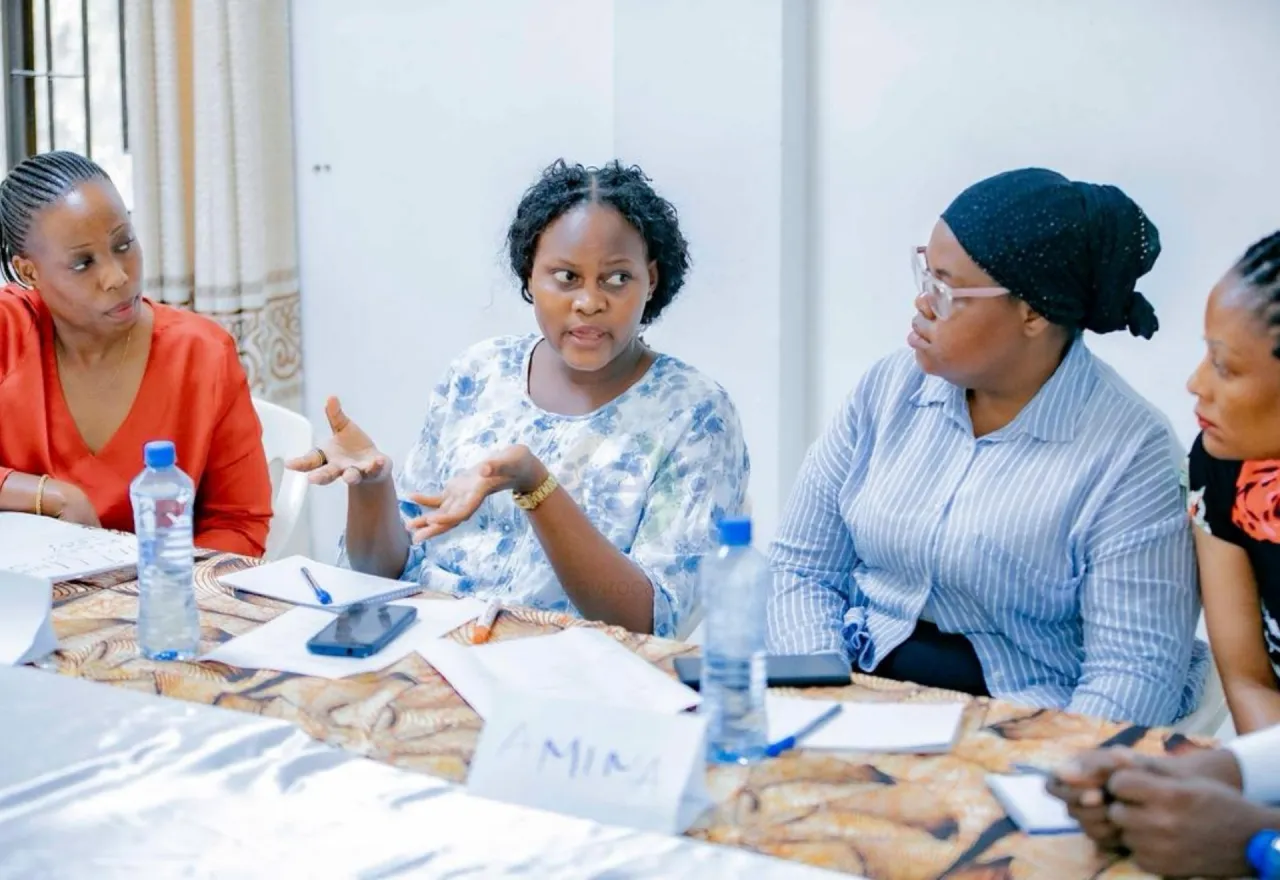
In Dar es Salaam, many women and young people have long been discouraged from stepping into leadership. Deep-rooted cultural traditions, limited opportunities, and lack of confidence meant that their voices were often missing from the spaces where important community decisions are made. For years, leadership felt like something reserved for others, not for them.
Over nine months, women and youth received training, mentorship, and safe spaces to build leadership skills, learn about rights and governance, and strengthen their confidence. Participants who once hesitated to speak out began to see themselves as capable leaders, ready to challenge barriers and claim their place in public life. This was courtesy of the ‘Empowering Women and Youth for Inclusive Governance’ project, implemented by ENVIROCARE (Environmental, Human Rights Care & Gender Organization) with support from ForumCiv.
The impact has been deeply personal and real: several trained participants went on to contest for political and party leadership positions, and some won. One young woman shared how the training gave her the courage to run for office, turning a dream into reality.
“The training from ENVIROCARE had a huge impact in our lives as young people. We did not only run for office but also participated in influencing other young people to run for grassroot political seats. Young people participated in 19 out of the available 43 political seats in the local government.” Nice Lazaro Sumari, Secretary of Bavicha, Kibamba Constituency.
These upcoming leaders are not only changing their own futures, but also inspiring others in their communities, proving that when women and youth are supported, they can shape a more inclusive and representative Tanzania.
Art as civic power in East Africa
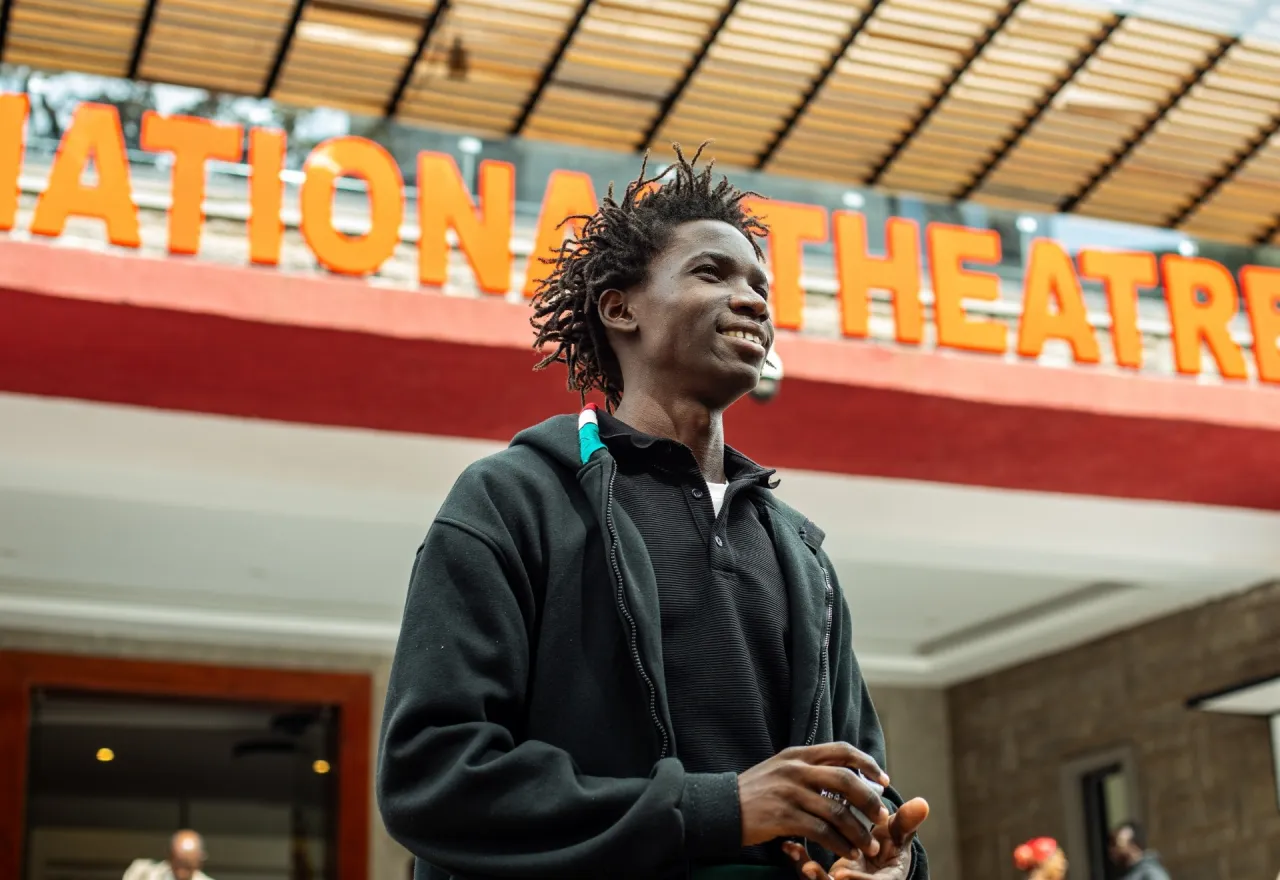
In 2025, ForumCiv’s Artivism Fellowship brought together, for the first time, a joint East Africa cohort of 20 emerging civic artists from Kenya, Uganda, and Tanzania. More than 600 applicants competed for a spot in the programme. The selected artists reflected wide geographic, artistic, and civic diversity. Delivered over five months (August-December), the fellowship combined an in-person residency, virtual learning sessions, and individualized coaching.
This cohort demonstrated ForumCiv’s ability to convene and equip a new generation of civic creatives in a context of shrinking civic space and rising political risk. Through a curriculum shaped by a comprehensive needs assessment, participants strengthened practical skills in civic storytelling, systems thinking, legal awareness, digital activism and safety, and creative sustainability.
The fellowship culminated in 20 capstone projects addressing urgent civic issues, including gender-based violence, food sovereignty, disability inclusion, land and ancestral rights, menstrual equity, police brutality, mental health, and statelessness, expressed through diverse artistic mediums.
This project reinforced ForumCiv’s strategic role in expanding civic imagination and supporting creative leadership as a driver of democratic transformation across East Africa.
Moving beyond rights into tangible change
In many rural communities in Liberia, limited access to affordable financial support continues to hold women and families back. High-interest loans, financial insecurity, and barriers to land ownership make it difficult for people to invest in their livelihoods, respond to emergencies, or plan for the future. Although rights to land and participation are increasingly recognised, many communities still struggle to turn those rights into meaningful change in everyday life.
Through the Sida-funded Our Land programme, ForumCiv and its partners worked to change this reality by applying a Beyond Rights approach, supporting communities not only to claim their rights, but to use them as a foundation for economic resilience, collective action, and long–term development.
One of the most impactful initiatives in 2025 was the establishment of Village Saving and Loan Associations (VSLAs) across three rural counties. The VSLAs created trusted, community-led spaces where people could save together, access small loans, and support one another through shared decision-making and solidarity. In total, 15 VSLA groups were formed, bringing together 320 members, the majority of them women.
The results were significant. During 2025 alone, members collectively mobilised more than USD 33,340 through savings and internal lending. Women used loans to start small businesses, strengthen household incomes, pay school fees, and respond to urgent healthcare needs. Others invested in farming and productive land use on lands reclaimed and secured through wider interventions under the Our Land programme, directly linking land rights with economic opportunity and improved livelihoods.
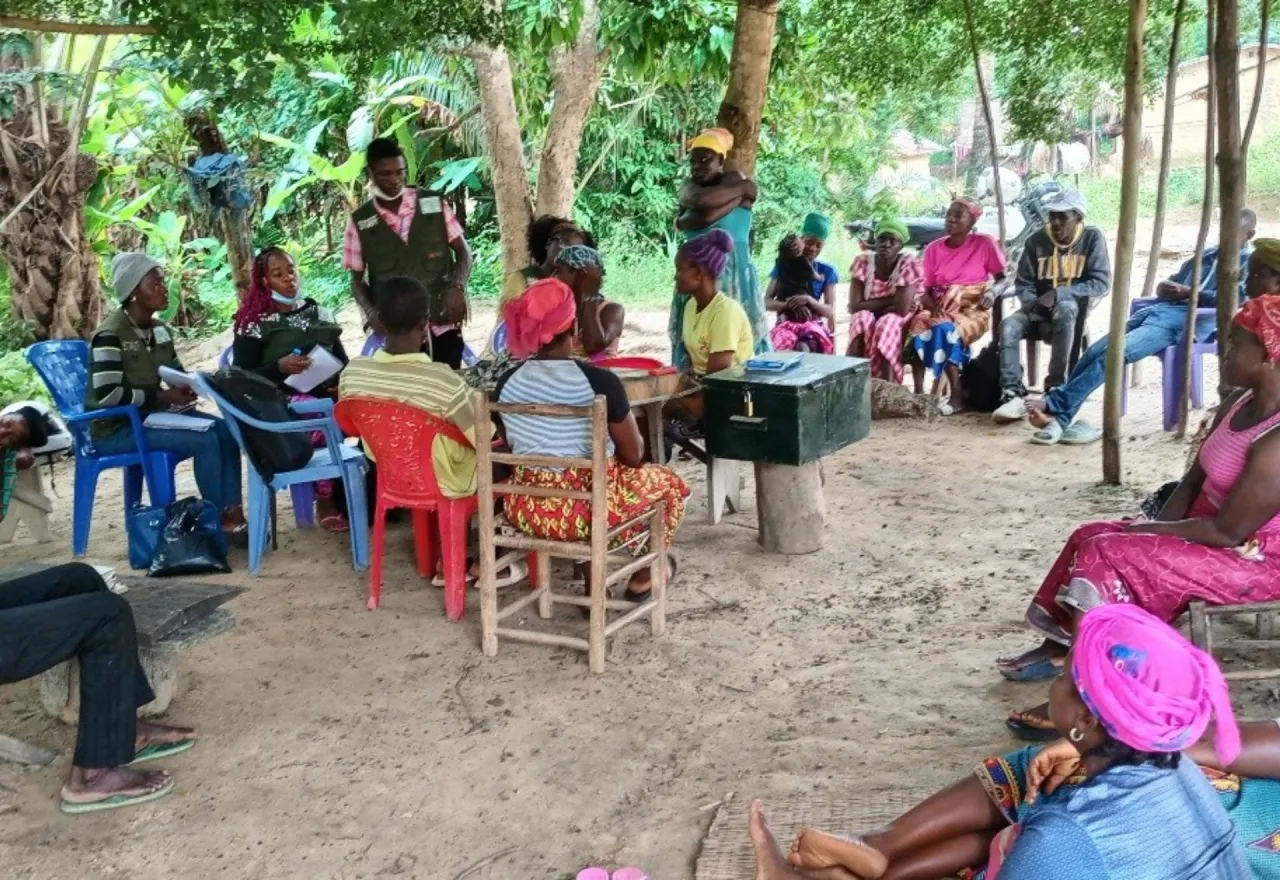
Beyond the financial impact, the VSLAs became spaces where women could build confidence, exercise agency, and strengthen community ties. The initiative demonstrated how collective support and local ownership can turn recognised rights into practical improvements in people’s lives.
During a field visit in Naama Town, Zota District in Bong County, VSLA member Lorpu Dolo reflected on the importance of the group after receiving support for her son’s surgery:
“If I were not part of the group, my son could have died. Borrowing elsewhere creates a heavy burden because of high interest rates and harsh repayment terms. I also fear people gossiping about where I credited.”
The achievements of 2025 reflect the wider vision of the Our Land programme across Bomi, Bong, and Grand Gedeh counties: enabling women, youth, and rural communities to participate in land governance, strengthen their livelihoods, and shape their own futures. Through collective action and financial empowerment, communities are transforming rights from promises on paper into lived realities grounded in dignity, resilience, and shared progress.
Other recent articles
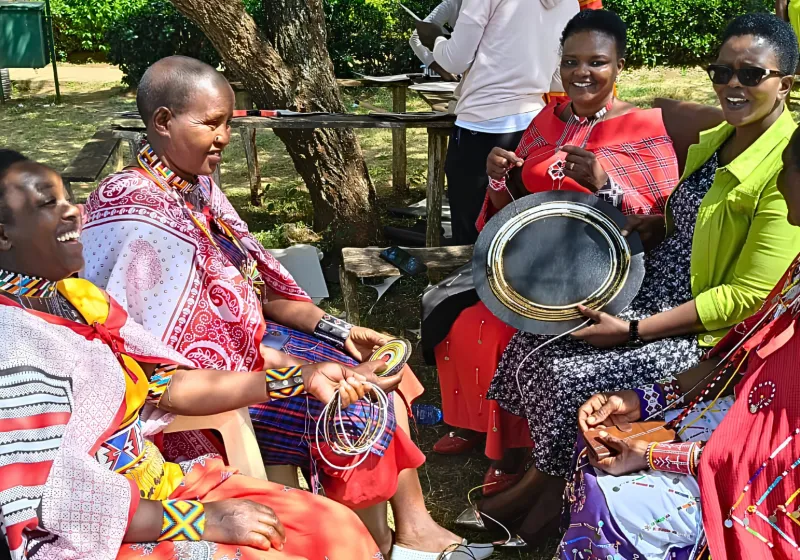
From skills to opportunity: Communities strengthening their place in Kenya’s tourism and fodder markets
Across Kajiado, Nakuru and Narok counties, communities are taking steps to strengthen their participation in local tourism and fodder markets through the Public-Private Development Partnership (PPDP)...
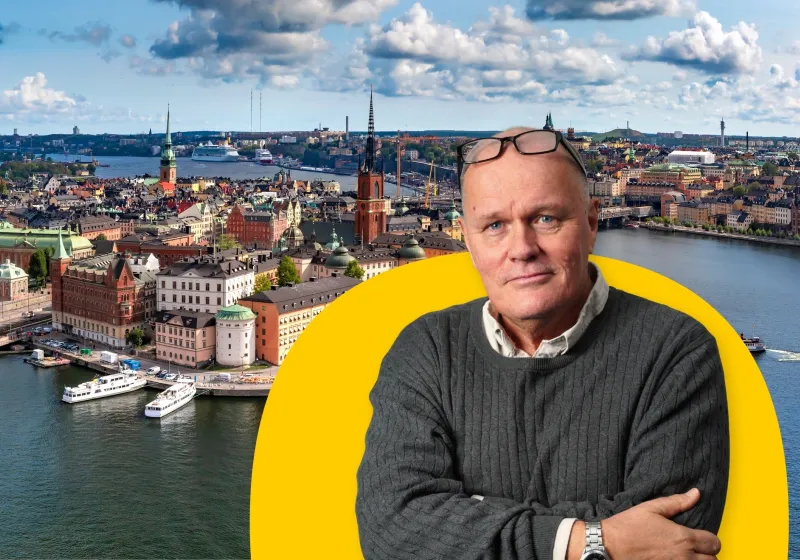
Can Sweden become a global development leader again?
Sweden has an opportunity to reshape its development policy after four years of major changes to the country’s international aid, writes Göran Holmqvist, Secretary-General of ForumCiv, together with...
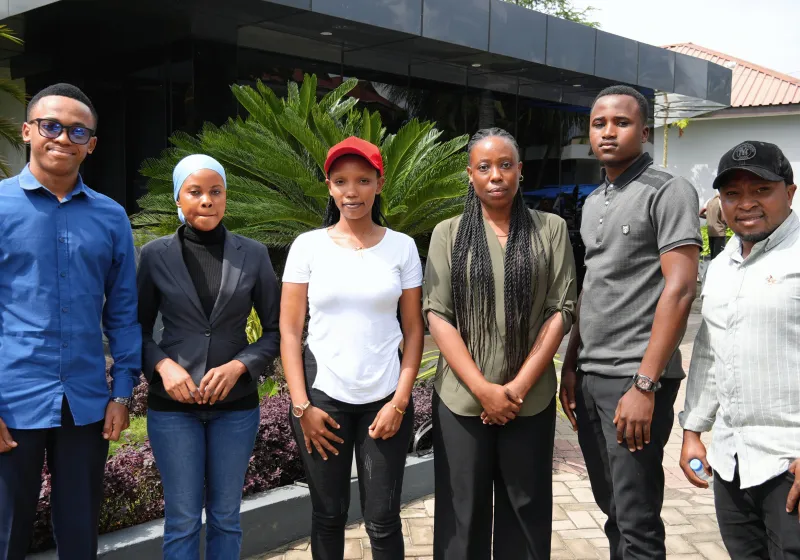
Confidence, leadership, and the journey to lasting change
For Joel, the change was both personal and practical. He developed the confidence to speak publicly, communicate strategically, and present himself as a credible candidate. He also learned how to use...
 Search
 SVENSKA