


Confidence, leadership, and the journey to lasting change
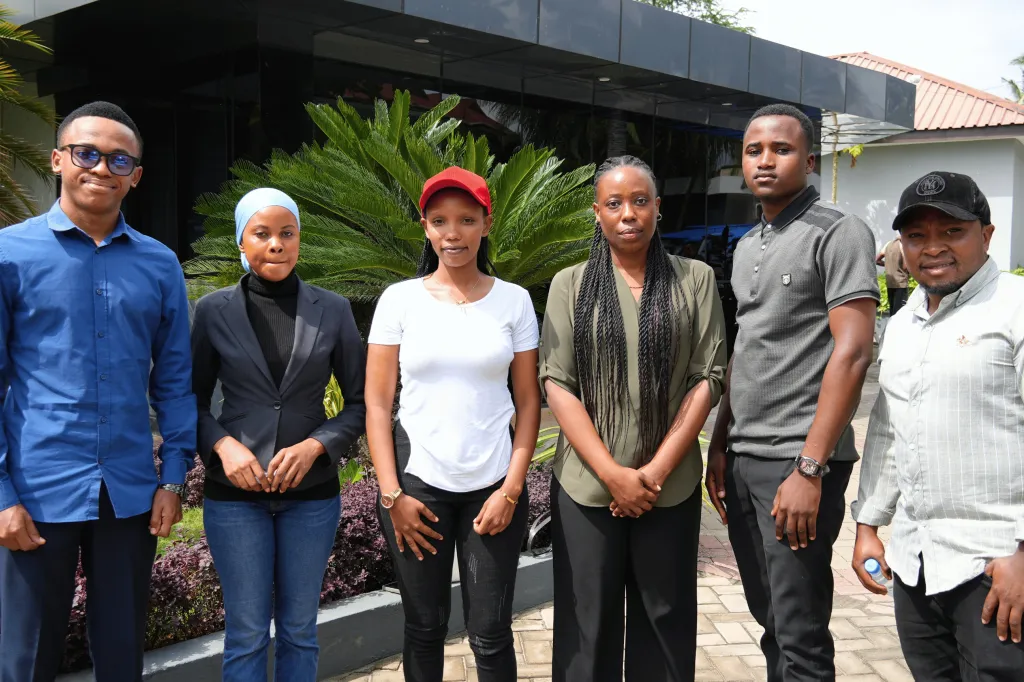
At 24, Joel Msuya was passionate about leadership and human rights, but he did not yet see himself as someone who could lead. He was an ordinary member of CHADEMA, one of Tanzania’s main opposition political parties, and had never held an elected position. Like many young Tanzanians, Joel believed that political leadership was largely reserved for older people with greater experience, influence, and financial resources.
“I was interested in leadership and human rights, but I did not have the confidence to run for any leadership role,” he recalled.
Joel’s direction changed after he joined the Empowering Women and Youth for Inclusive Governance project, implemented by ENVIROCARE (Environmental, Human Rights Care and Gender Organization), a Tanzanian civil society organisation working on human rights, gender equality, environmental justice and inclusive governance.
Over nine months, the project trained and mentored women and young people in leadership, governance, advocacy, rights awareness, self-confidence and political participation. It also created safe spaces in which participants could practice leadership and learn from one another. The intervention responded to deeply rooted barriers including harmful social expectations, limited access to resources and political structures that often discourage women and youth from seeking leadership positions.
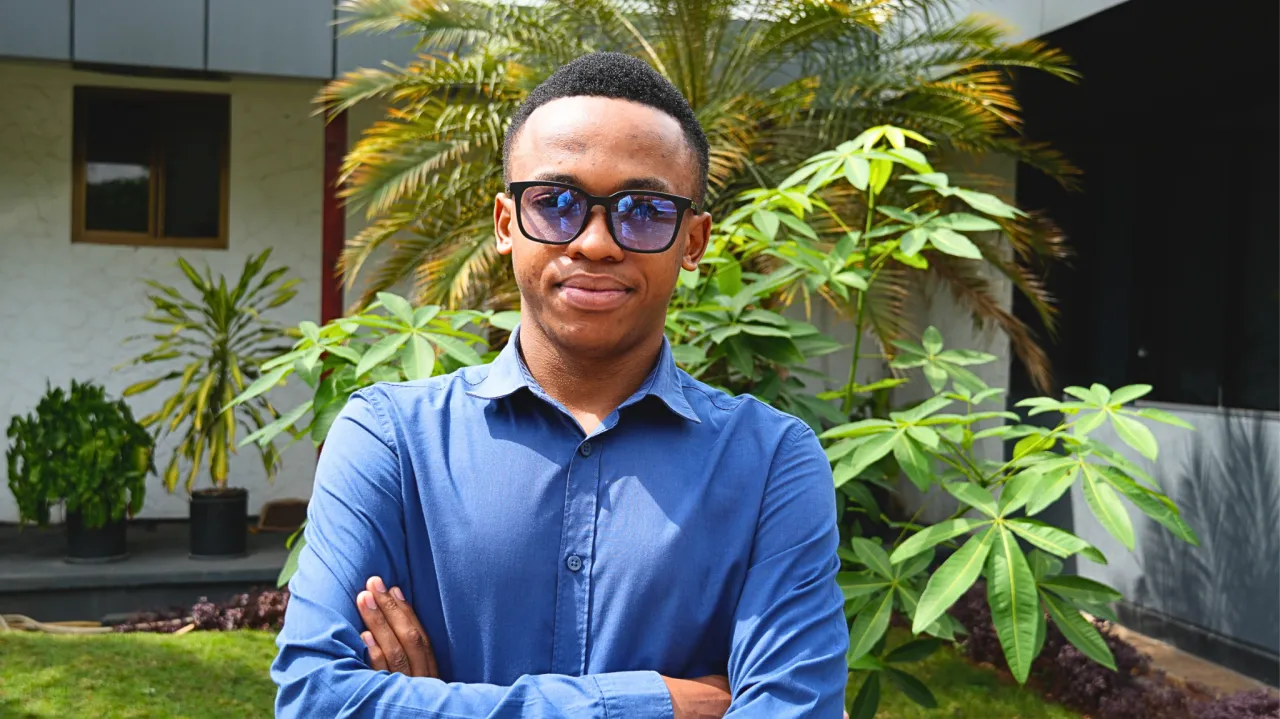
For Joel, the change was both personal and practical. He developed the confidence to speak publicly, communicate strategically, and present himself as a credible candidate. He also learned how to use digital platforms as political tools, enabling him to reach other young people and share messages about leadership and participation.
When CHADEMA held internal elections in 2024, Joel took a step he had previously considered beyond his reach: he contested the position of District Secretary for Ilala District, the commercial and administrative centre of Dar es Salaam. He won.
“The tips I received from the project training helped me to win the election,” he said.
Winning the district position strengthened Joel’s belief that young people could compete for leadership when they had the right skills and support. He began preparing for a national youth representative election in 2025. Using the digital communication skills gained through the project, he expanded his social media presence, attracted followers, and regularly shared leadership content.
Thirty-two candidates competed for only four available national youth representative positions. Joel finished third and was elected.
“Before ENVIROCARE, I did not have any political seat. Now I am representing my fellow youth nationally,” he said.
Today, Joel’s ambition has grown further. In 2029, he plans to contest for the National Chairperson of BAVICHA, CHADEMA’s national youth wing. His journey represents a significant positive change in the behaviour and position of a young rights-holder: from a party member who lacked the confidence to seek office to an elected leader representing young people at national level.
A wider shift among young participants
Joel’s experience reflects a wider pattern among participants in the project. Several trained women and young people subsequently contested and won leadership positions in political parties and government structures. Participants reported greater confidence, awareness, and courage to pursue leadership ambitions, suggesting a broader change in both individual agency and political participation.
For Yaled Maiko Mwamlenga, 23, a student at Tumaini University, the project opened a similar pathway towards leadership:
“Before meeting ENVIROCARE, I was antisocial and lacked the confidence to address people. Today, I can stand in front of an audience and express myself with confidence. I also learned about the qualities of a good leader, and that sparked my interest in becoming one.”
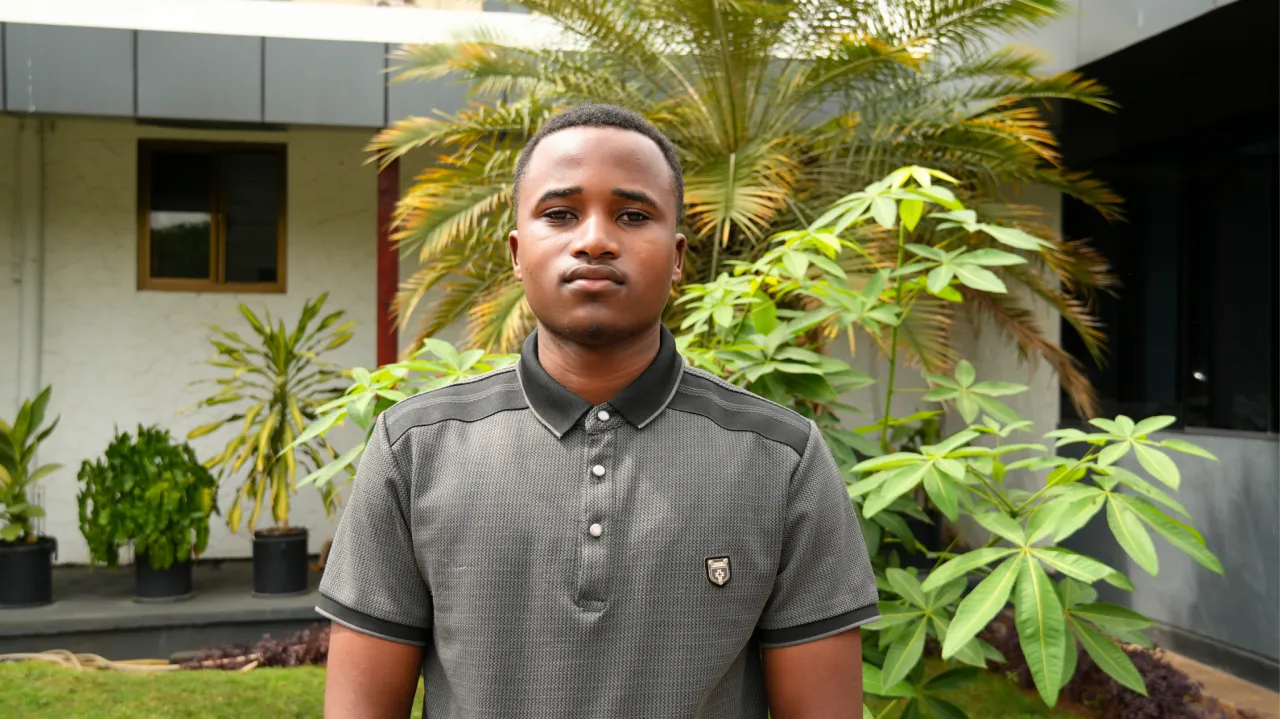
Yaled’s testimony shows that the project’s influence was not limited to participants already active in formal politics. It also helped young people who had previously withdrawn from public interaction to develop confidence, communication skills, and an interest in leadership.
Salma turns learning into a national platform
The project’s influence also extended beyond those seeking elected positions. Salma Shaban, a Channel 10 news anchor and project participant, used her professional role to broaden public discussion about youth and women’s leadership.
Drawing on the knowledge and perspectives gained through the project, Salma launched Vijana Leo, a television segment focused on issues affecting young people and women. The segment has generated participation through television, text messages, and social media, while providing opportunities for ENVIROCARE to join national conversations on leadership and inclusive governance. Its nationwide reach has carried the project’s messages far beyond the original group of participants.
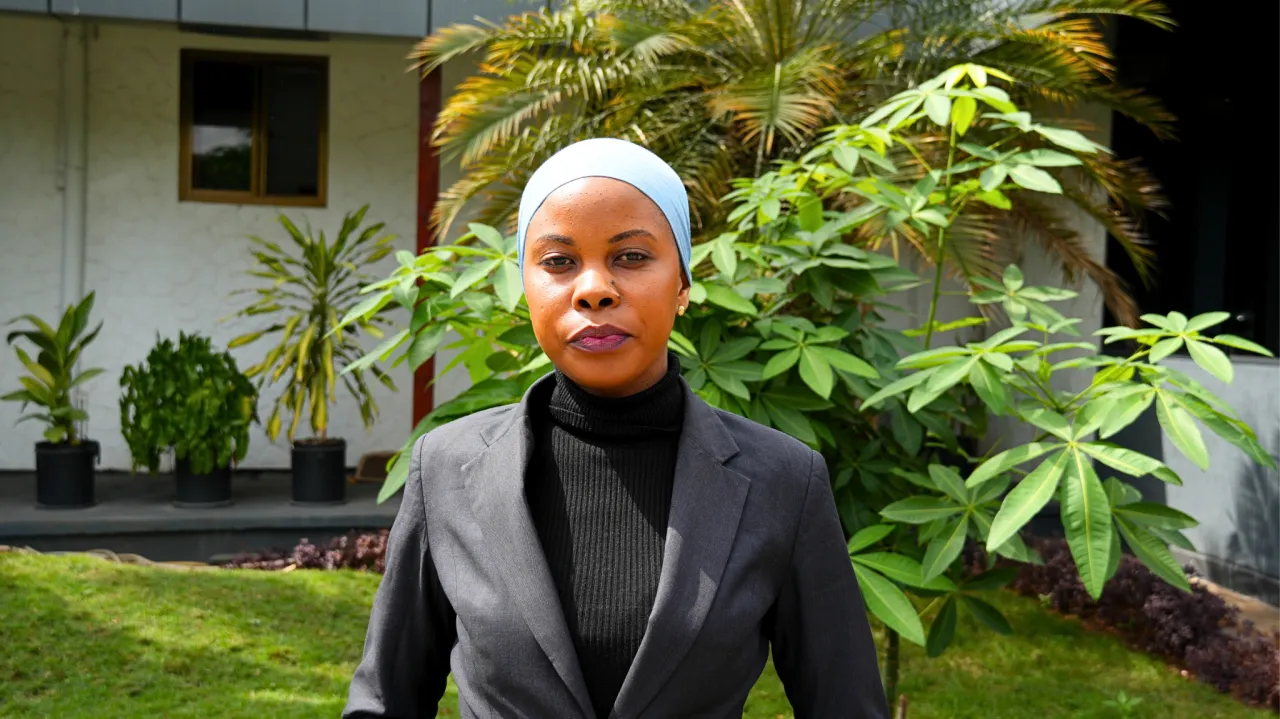
Salma’s action represents an important change in professional practice. Rather than keeping the learning at an individual level, she converted it into an ongoing media platform through which young people can express their views, debate leadership challenges and hear from civil society actors.
From SASA to TPP: Sustaining and deepening the change
For the last two SASA phases, ENVIROCARE has grown in confidence, capacity, and strategic reach, and is now stepping into a stronger role as a consortium partner with ForumCiv in the Transformative Partnership programme (TPP).
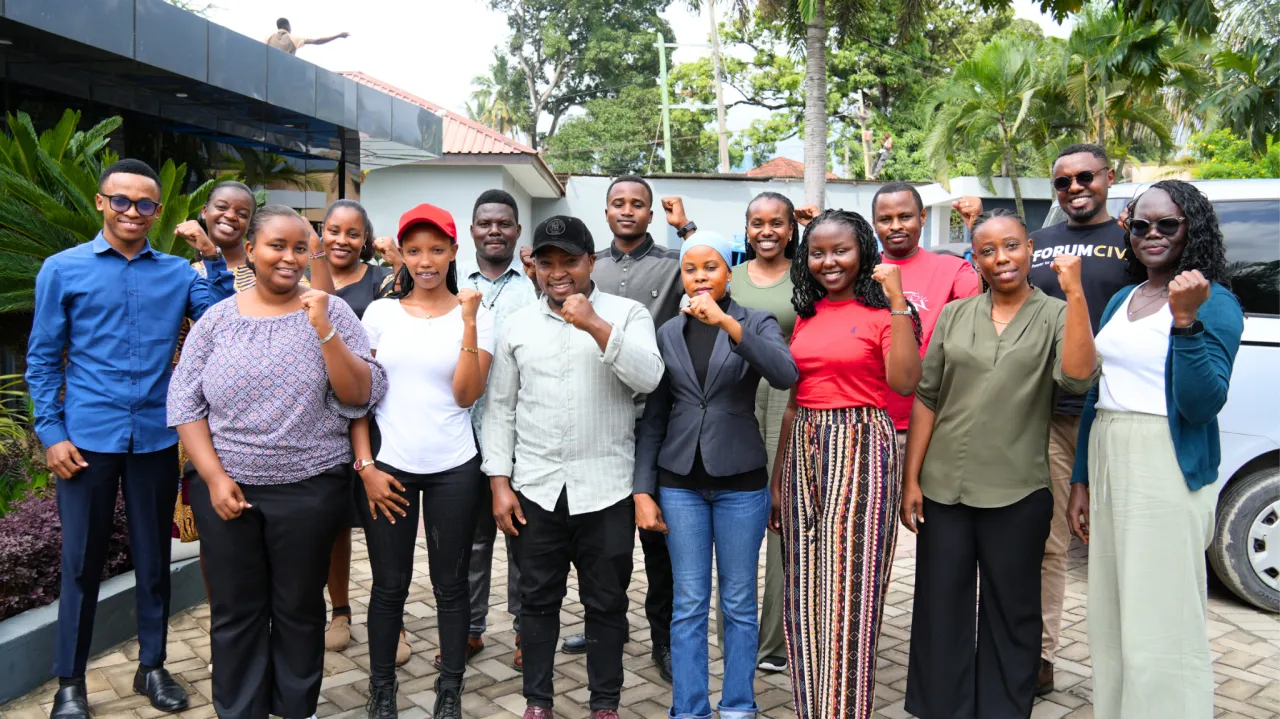
Under SASA, ENVIROCARE supported women and young people appreciate their rights, build leadership skills, engage duty-bearers and take part in public and political life. Joel’s election, Yaled’s growing confidence, and Salma’s national media platform are early signs of this change.
Under TPP, ENVIROCARE will apply similar principles of rights awareness, mobilisation and advocacy in Siha District, Kilimanjaro Region. The new initiative, planned for 2026–2028, will focus on legal rights, access to justice, land and inheritance rights, gender justice, civic participation and economic empowerment across all 17 wards of the district.
The programme will train community paralegals, establish ward-level legal aid desks, strengthen Village Savings and Loan Associations, support mediation of land and inheritance disputes and convene community dialogue and accountability forums. It will also continue civic space and leadership training, ensuring that the confidence and participation fostered under SASA are connected to practical community structures for justice, livelihoods, and collective action.
TPP will also strengthen and invest in ENVIROCARE's institutional capacity by supporting stronger monitoring and learning systems, governance and leadership, resource mobilisation, improved financial controls, risk management, and sustainability planning. These organisational investments are intended to ensure that gains do not depend on one project cycle, but are embedded in ENVIROCARE’s systems, partnerships, and long-term presence in the communities it serves.
Other recent articles
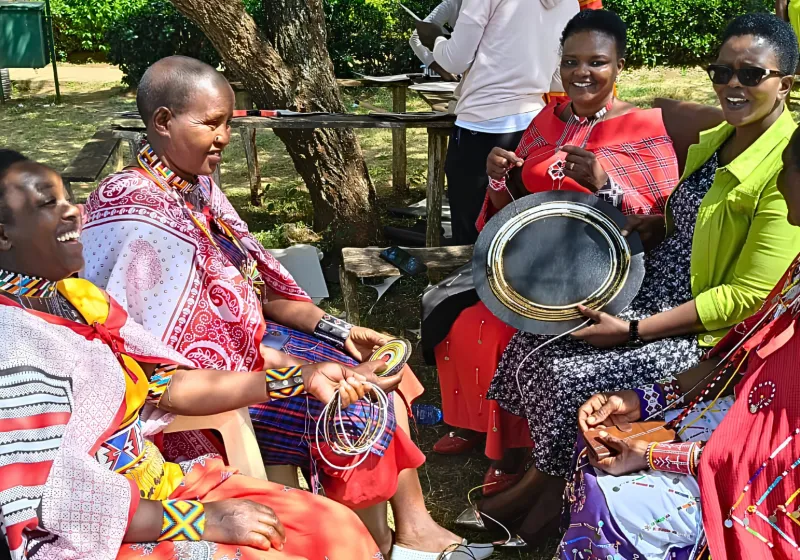
From skills to opportunity: Communities strengthening their place in Kenya’s tourism and fodder markets
Across Kajiado, Nakuru and Narok counties, communities are taking steps to strengthen their participation in local tourism and fodder markets through the Public-Private Development Partnership (PPDP)...
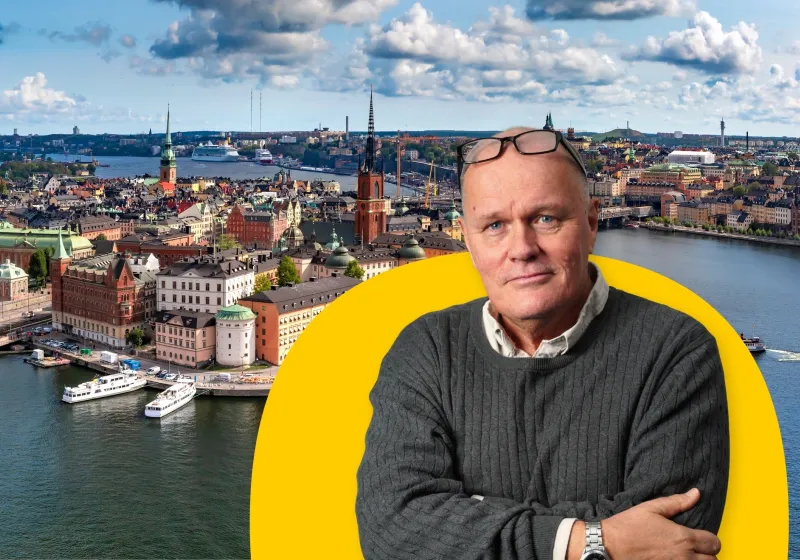
Can Sweden become a global development leader again?
Sweden has an opportunity to reshape its development policy after four years of major changes to the country’s international aid, writes Göran Holmqvist, Secretary-General of ForumCiv, together with...
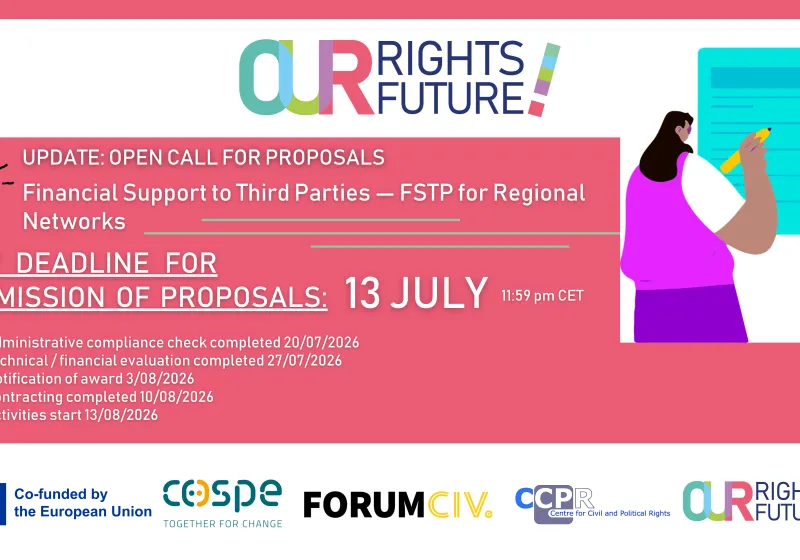
Call for proposals: Supporting regional networks for civic rights - EXTENDED DEADLINE
The Our Rights, Our Future! project has extended the deadline for submission of proposals for the Regional Networks FSTP call
 Search
 SVENSKA