


From skills to opportunity: Communities strengthening their place in Kenya’s tourism and fodder markets
Implemented with support from Sida, PPDP Phase II brings together the International Labour Organization (ILO), ForumCiv, public institutions, private-sector actors, and communities to promote sustainable employment and inclusive economic opportunities. The programme applies a blend of the Market Systems Development approach and the Rights Based Approach while addressing barriers affecting women, youth and persons with disabilities. ForumCiv leads Outcome 3 – Community Engagement, complementing the ILO-led skills development and market systems outcomes by strengthening communities' ability to access skills, employability and enterprise development opportunities.
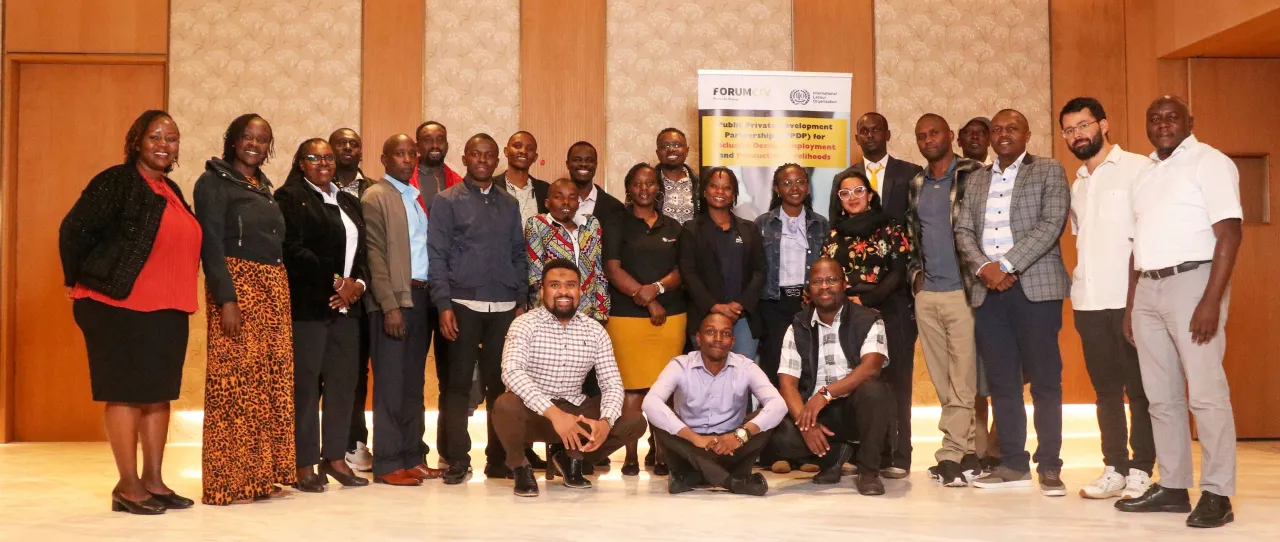
From conflict to collaboration at Hell’s Gate
At Hell’s Gate National Park in Nakuru, two groups of tour guides had been in disagreement over access to the gorge, related charges, and how tourism opportunities were shared. Following a Right(s) Way Forward training by the Great Rift Valley Association of Tour Operators (GRATO), the groups engaged in dialogue with Kenya Wildlife Service, local administration and tour-guide leadership.
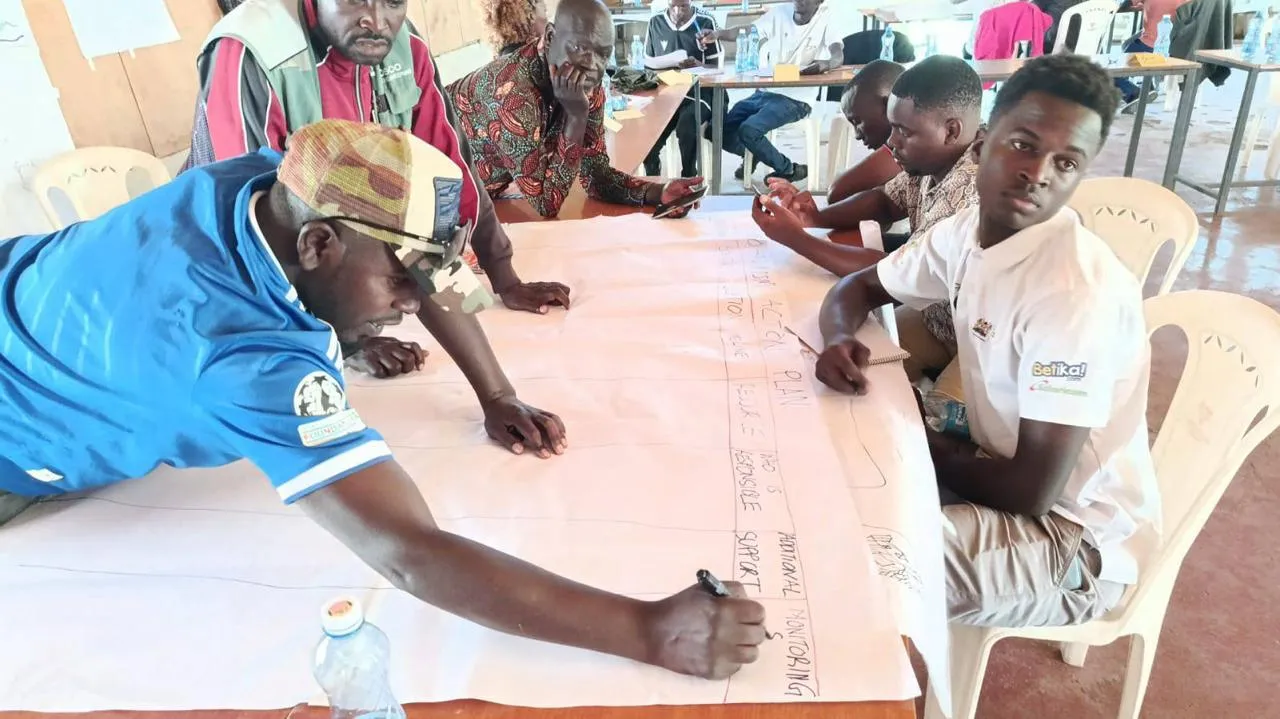
The dialogue resulted in an agreed arrangement under which visiting guides pay KSh 500 to community guides managing the gorge before taking tourists through it. Stakeholders also agreed to encourage visitors to visit the Maasai Market and Cultural Centre, creating opportunities for tourism benefits to extend to the wider community.
“The Right(s) Way Forward training helped us understand that we could address the disagreement through dialogue instead of allowing the conflict to continue.”
The experience demonstrates how strengthened community organisation and engagement with duty bearers can help address practical barriers affecting local tourism livelihoods.
Turning traditional skills into enterprise opportunities
In Kajiado, women engaged by Enkakenya Sidai Initiative are beginning to reposition beadwork from primarily a cultural practice into a potential market-oriented livelihood. Before the intervention, many relied on traditional designs and production methods and had limited exposure to product diversification, improved finishing techniques, branding, pricing, and wider markets.
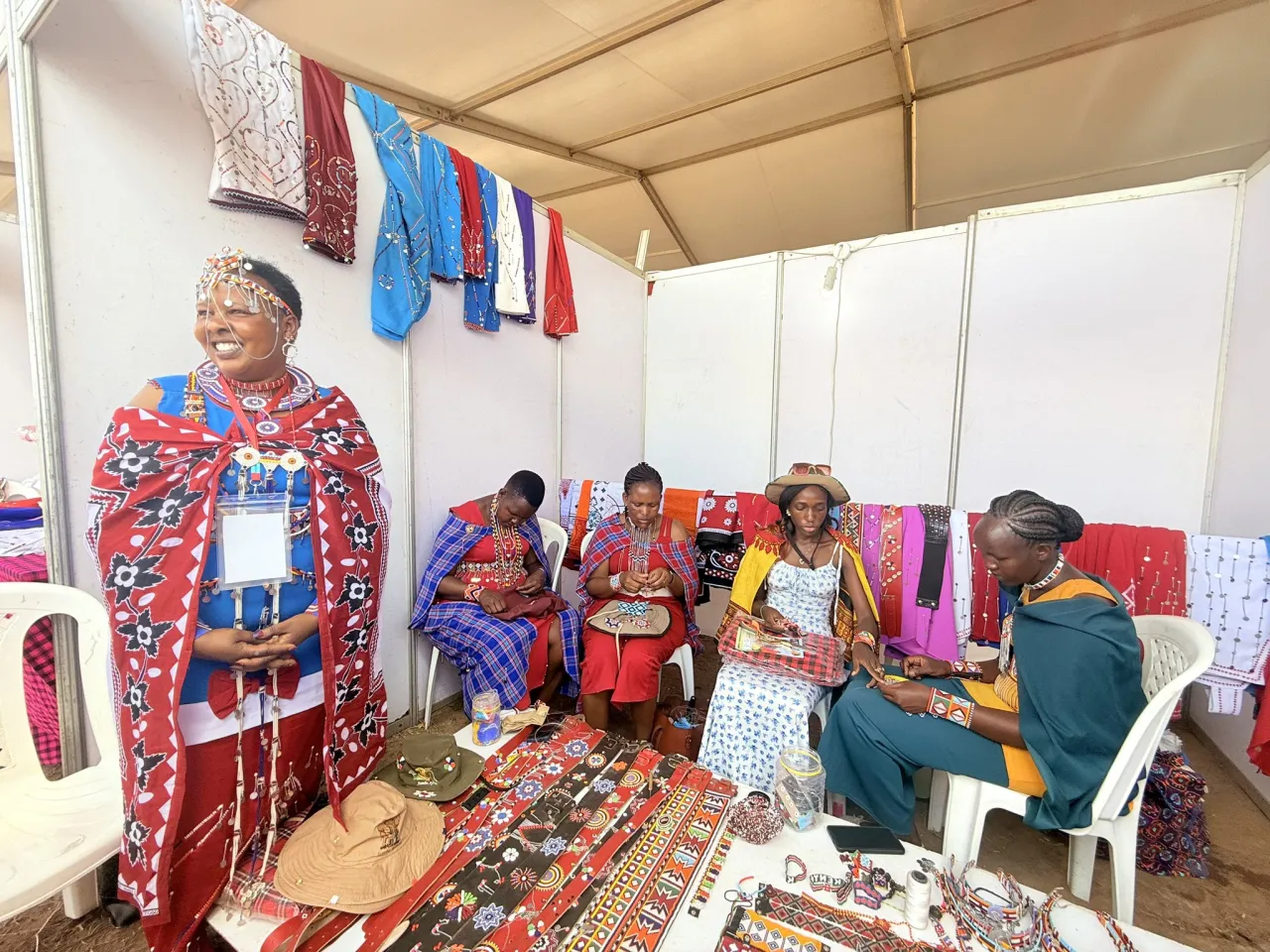
Through practical enterprise development support, the women learned modern beadwork and leather-working techniques and expanded into products such as neckpieces, belts and name-tag holders. The experience strengthened their understanding of product quality, diversification and presentation while identifying branding, packaging, digital marketing, and market access as important next steps.
Building resilience through fodder enterprise
For dairy farmers in Nakuru, climate-related feed shortages can quickly translate into declining milk production and higher production costs. Through Nakuru County Dairy Association (NACODA), farmers strengthened their knowledge of fodder production, conservation and utilisation while building linkages with service providers and milk processors.
For dairy farmer Emmah Mumbi from Njoro Town in Nakuru County, the intervention opened a pathway toward producing and conserving her own fodder and exploring silage as an enterprise.
“Today, I am able to produce and conserve my own quality fodder (silage) and selling as a business. There is hope that there will still be milk production during dry season whereby the production will stabilize at average of 7 litres per cow.”
Her experience reflects the wider programme effort to strengthen commercially oriented fodder production, aggregation and storage while reducing vulnerability to seasonal feed shortages.
Making economic opportunities more inclusive
PPDP is also working to ensure that emerging opportunities are accessible to persons with disabilities. Through Next Step Foundation (NSF), 156 participants across Narok, Kajiado and Nakuru—including persons with disabilities, organisations of persons with disabilities (OPDs), government representatives and tourism stakeholders—engaged on disability rights, accessible tourism and the economic case for inclusion.
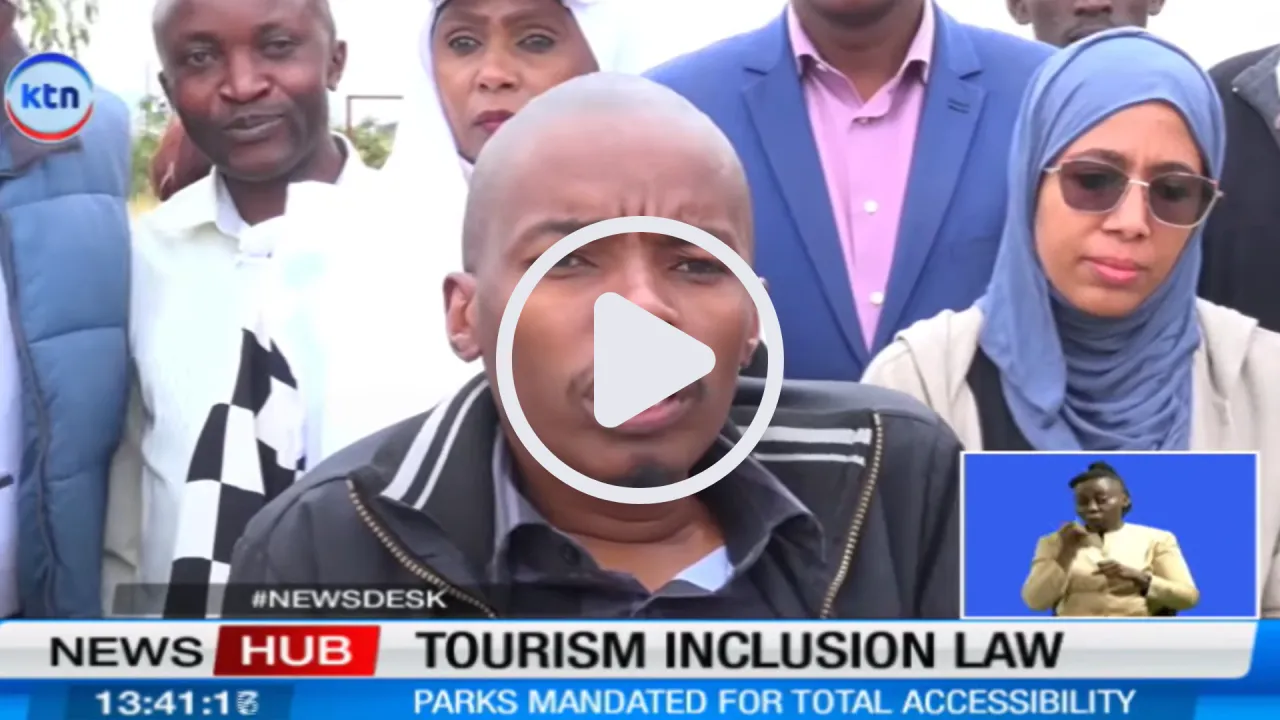
The engagements moved beyond awareness by opening conversations around employment, entrepreneurship, and market participation. In Kajiado, an implementing partner committed to creating entrepreneurship opportunities for 10 persons with disabilities, while participants in Nakuru identified opportunities for stronger partnerships between OPDs, hotels and tourism facilities to market products including artwork, crafts and beadwork.
Together, these stories show how communities are strengthening enterprise skills, advancing inclusion, resolving local barriers and building more resilient livelihoods.
Other recent articles
Can Sweden become a global development leader again?
Sweden has an opportunity to reshape its development policy after four years of major changes to the country’s international aid, writes Göran Holmqvist, Secretary-General of ForumCiv, together with...
Confidence, leadership, and the journey to lasting change
For Joel, the change was both personal and practical. He developed the confidence to speak publicly, communicate strategically, and present himself as a credible candidate. He also learned how to use...
Call for proposals: Supporting regional networks for civic rights - EXTENDED DEADLINE
The Our Rights, Our Future! project has extended the deadline for submission of proposals for the Regional Networks FSTP call
 Search
 SVENSKA