


When partnerships create change
The Swedish Partnership Programme was a cornerstone of ForumCiv’s work from the 1990s until 2025. Created to strengthen cooperation between Swedish civil society organizations and partners worldwide, the programme evolved into a global platform for solidarity, knowledge exchange, and collective action.
Through ForumCiv’s role as a sub-granter, Swedish organizations built long-term partnerships with local actors in more than 70 countries across five continents. Together, hundreds of Swedish organizations and thousands of partners carried out projects advancing democracy, human rights, gender equality, and sustainable development in diverse contexts.
The final phase of the programme was originally planned for 2023–2027, but changes in Swedish development cooperation priorities shortened the programme period to end in 2025 instead. Despite the reduced timeframe, the programme delivered significant results, demonstrating the strength of long-standing partnerships and the programme’s ability to create impact during changing conditions.
Although the programme has now ended, its legacy continues through stronger organizations, lasting partnerships, and decades of contributions to democratic development worldwide. Here are some of the key results from the final period, 2023–2025.
Increased safety and improved support for women and girls affected by violence
Through the partnership between the Swedish organization Acting for Change and the Senegalese organization Plateforme des Femmes pour la Paix en Casamance (PFPC), support for women and girls affected by violence in Casamance, Senegal, was strengthened. The project improved access to healthcare and psychosocial support through the Kullimaaroo Centre, strengthened the capacity of local leaders to address gender-based violence, and increased awareness of women’s rights and harmful social norms within local communities.
The partnership brought together a wide range of actors around shared goals of peace, security, and women’s rights. PFPC staff and leaders from member organizations built an extensive network that included donors, lawyers, child protection authorities, police, military representatives, political decision-makers, government agencies, municipalities, civil society organizations, religious and traditional leaders, schools, women’s groups, and partners in Guinea-Bissau and The Gambia.
This broad collaboration created better conditions for preventing violence, providing support to vulnerable women and girls, and strengthening efforts to promote peace and gender equality across the region.
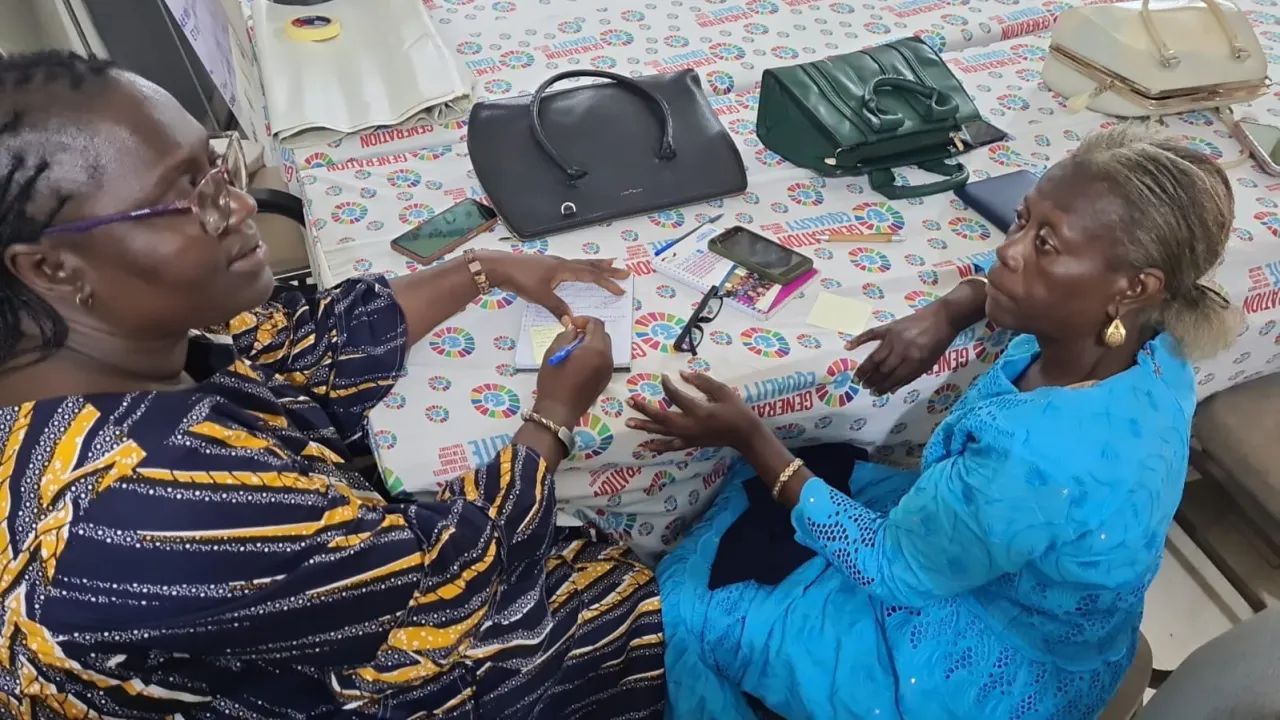
The project also created spaces for dialogue where religious and traditional leaders—including imams, priests, and village chiefs—could engage in discussions about the rights of women and girls. These dialogues contributed to several leaders publicly denouncing harmful practices such as female genital mutilation (FGM), particularly in Ziguinchor, Casamance.
The partnership also strengthened joint advocacy efforts across national borders. One significant achievement was that women’s organizations in Senegal, The Gambia, and Guinea-Bissau successfully worked together to help prevent the adoption of a bill that would have legalized female genital mutilation in The Gambia.
These achievements were made possible through PFPC’s long-term presence and close cooperation with municipalities, local communities, and public authorities. By building trust and fostering collaboration among diverse stakeholders, the organization contributed to both changing attitudes and achieving concrete policy outcomes.
Youth-led advocacy contributed to new legislation and greater influence in Bolivia
In 2025, the Raíces initiative in Llallagua, Bolivia, contributed to strengthened youth leadership, increased recognition, and tangible policy influence at the municipal level. Radio Pio XII’s “Young Promoters, Agents of Change” project gained formal recognition from authorities, educational institutions, and civil society for its role in empowering adolescents and young people. Forty student representatives (equally women and men) from ten secondary schools were trained in leadership, gender equality, environmental issues, and youth legislation, supporting more active and democratic participation in schools and youth organizations.
Five youth organizations across the municipality were strengthened and gained legitimacy, engaging 55 young people—most of them young women—in structured leadership and advocacy. These efforts led to the establishment of a Public Policy Committee aligned with the municipal Youth Law, bringing together key institutions to coordinate youth-related actions for the first time. As a result, youth actors successfully advanced a new municipal policy: the Law on Comprehensive Sexual Education for the Prevention of Adolescent Pregnancy.
Supported by student federations and youth organizations, this policy reflects a significant step toward institutionalizing youth priorities and rights. Overall, the initiative demonstrates how organized and empowered young people can influence governance structures and drive policy change in their communities.
Women and youth actively participate in and influence peace and decision-making processes
Local feminist movements and women’s rights activists across Colombia, Cameroon, the Democratic Republic of Congo, and Zimbabwe, led by its respective WILPF movements strengthened their influence on peace and governance processes, alongside national institutions. Through targeted capacity building and organizing, women increased their participation in decision-making and contributed to key policy outcomes.
WILPF Colombia strengthened leadership through its Feminist School for Peace, training women in rights advocacy, political participation, and monitoring of the Peace Agreement’s gender provisions. This contributed to the adoption of Colombia’s first National Action Plan on Women, Peace and Security and enabled women’s increased representation in the Territorial Peace Council in Meta. WILPF Cameroon established a Youth Center to promote dialogue, social cohesion, and gender equality, while also providing psychosocial support in a conflict-affected context. WILPF DRC expanded peace clubs in schools, increasing youth participation in peacebuilding and contributing to national action plans on Youth, Peace and Security and Women, Peace and Security. WILPF Zimbabwe contributed to the development of the country’s first National Action Plan on Women, Peace and Security and advanced national dialogue on gender equality.
”The grant enabled us to undertake advocacy initiatives that contributed to policy reforms and meaningful change. Through this support, we were able to engage stakeholders, amplify community voices, and influence decisions that have had a lasting impact at both community and national levels.”- Edwick Madzimure WILPF Zimbabwe
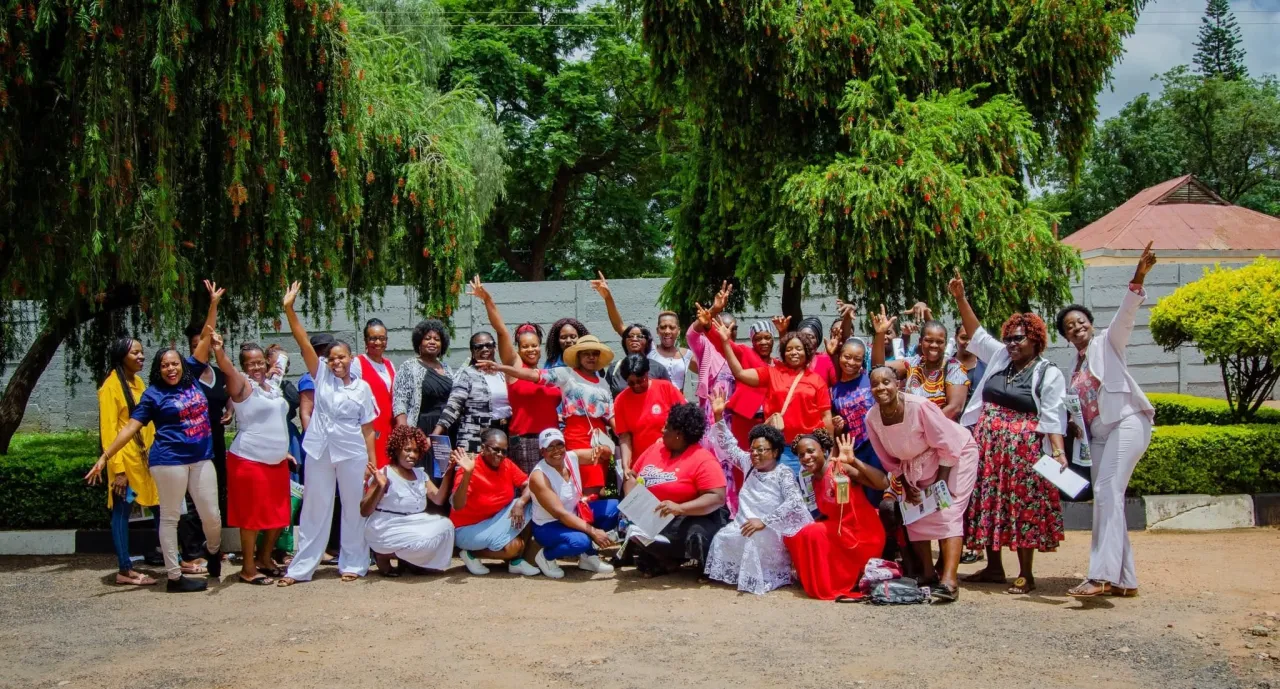
The initiative resulted in strengthened feminist leadership, increased youth participation, and concrete policy influence across multiple countries, demonstrating the impact of locally driven, feminist peacebuilding approaches.
Strengthened resilience through climate justice and sustainable agriculture
ActionAid's initiative strengthened the agency of rural women, youth and small scale farmers to advance climate justice, sustainable agriculture and gender equality across Liberia, Bangladesh and Guatemala resulting in more resilient livelihoods, stronger local organisations and increased recognition of women as key actors in climate action.
In Liberia, farmers improved food security and climate resilience through agroecological practices and diversified livelihoods. Women and youth increased their participation in decision-making and advocacy, while farmer networks strengthened their influence in national policy processes.
In Bangladesh, women enhanced their leadership, incomes and adaptive capacity by adopting climate-resilient livelihoods. Access to safe water improved for over a thousand households, and women played key roles in local adaptation, emergency response and advocacy for gender-responsive climate action.
In Guatemala, women farmers improved food security and reduced dependency on external inputs through agroecology. Their leadership and participation in national advocacy spaces increased, strengthening their influence over natural resource governance and environmental policy.
Across all countries, the programme contributed to stronger community resilience, expanded livelihood opportunities and greater civic engagement, with women at the forefront of change.
Children and youth in Palestine and Lebanon are more resilient and hopeful about the future
Children and youth in Palestinian and Lebanese refugee camps, girls in Abu Dis (West Bank), and local partner organisations (Nabaa, LCR, Al Jalil, Al Nahda, Youth Vision Society, Abu Dis Sports Club) were reached and strengthened through the programme.
Between 2023 and 2025, and despite war, funding delays, and a shortened project period, partners delivered tangible results. Around 1,200 children, 1,160 youth, and 1,500 parents participated in activities to strengthen resilience and wellbeing. Approximately 300 individuals received tailored psychosocial support, contributing to improved child behaviour and stronger parent–child relations. In livelihoods, 90 youth completed vocational training, with 45 securing employment and 9 starting home-based businesses. Education outcomes improved, including a reduction in school drop-out rates from 40 to 10 per year through remedial support, alongside improved school performance in Abu Dis. Creative approaches reached 300 children through art-based psychosocial activities. Gender equality advanced, with increased parental acceptance of girls’ participation in mixed sports and a shift towards gender mainstreaming among partner organisations. Civic engagement also strengthened, with 20 children contributing to the development of a school Code of Conduct.
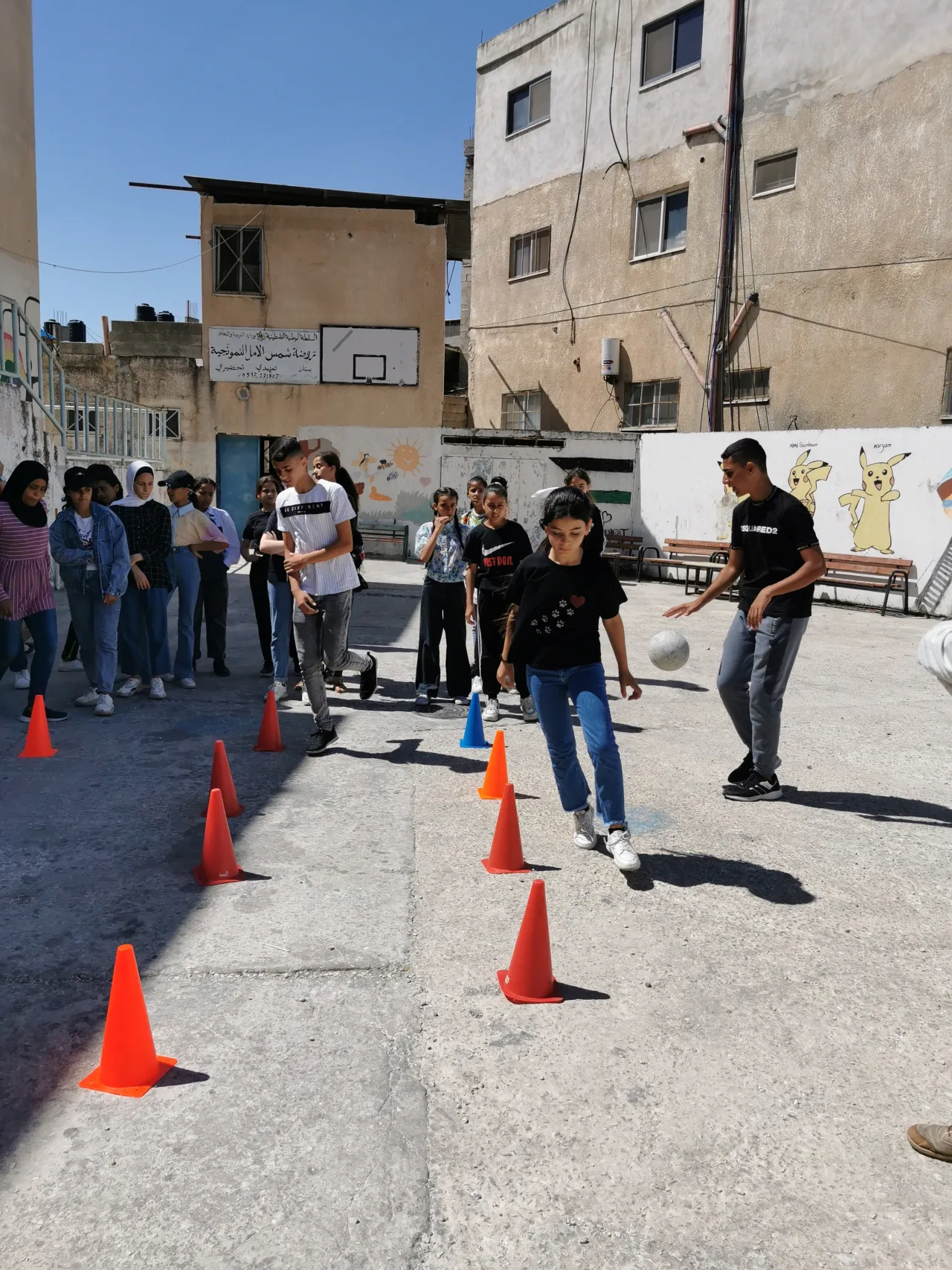
These results demonstrate that local partners sustained delivery and achieved outcomes under severe constraints. The adoption of gender mainstreaming and increased acceptance of girls’ participation indicate durable shifts in norms and organisational practice. Livelihood outcomes contributed to economic resilience, while psychosocial and creative interventions addressed urgent wellbeing needs in a context of prolonged crisis.
Press freedom endured despite war and repression
Reporters Without Borders Sweden (RSF Sweden), with support from ForumCiv, strengthened their partner organisations and contributed to enabling journalists to continue their work under very difficult conditions. Through both financial support and international visibility, the programme has helped ensure that journalists can continue to work and have the capacity, safety, and motivation to do so despite the challenges they face.
Despite repression and conflict, the programme delivered tangible results. Partners produced large-scale documentation on violations, including 19 national reports in Ukraine, daily monitoring in DRC, over 2,000 publications from Belarus, and regional analyses in Latin America, strengthening evidence and awareness. It directly supported hundreds of journalists, including 206 journalists and 15 media outlets receiving protective equipment and assistance, alongside legal support.
“Press freedom in our country is not something we can take for granted. We pay a price for it, sometimes with journalists’ blood. Many have already given their lives for this profession,” says Tshivis Tshivuadi, Secretary General of Journaliste en danger (JED).
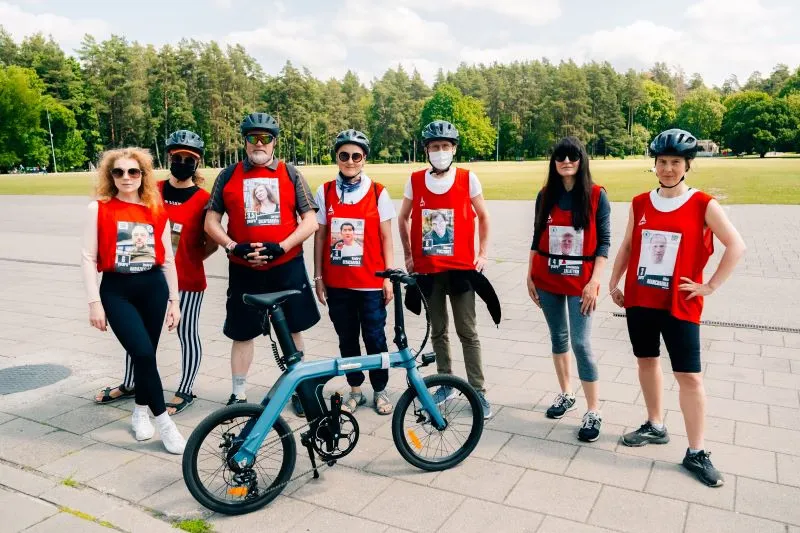
Organisationally, partners strengthened governance, financial systems, and strategic capacity, ensuring sustainability even under crisis conditions. Advocacy efforts maintained its visibility of press freedom issues through campaigns, public events, and engagement with policymakers. Additionally, strengthened monitoring and evaluation systems improved accountability and learning across the programme.
“Our journalistic resources stand against Russia’s disinformation. Ukraine’s population has the right to independent information. It is a prerequisite for being able to make not only sound decisions, but life-or-death decisions,” says Oksana Romaniuk, Director of the Institute of Mass Information (IMI).
Overall, the programme contributed to more resilient press freedom organisations with increased capacity to protect journalists, document violations, and influence policy, demonstrating that independent media can be sustained even in highly restrictive environments.
Other recent articles
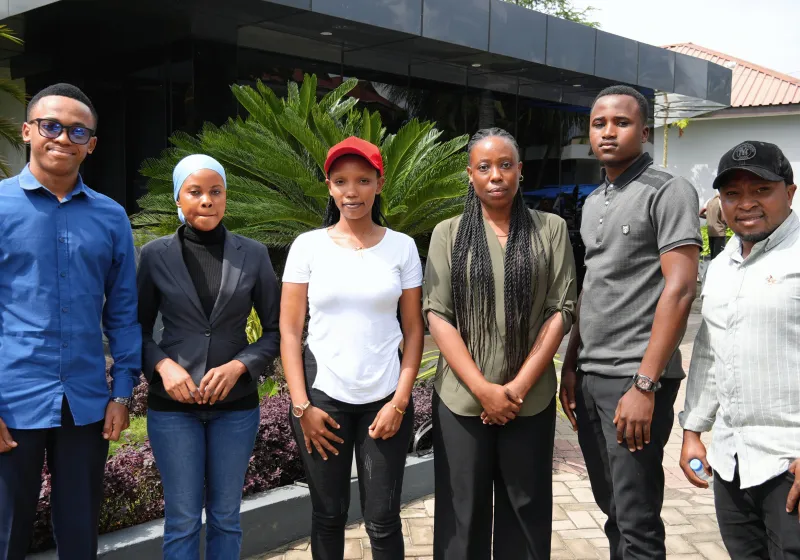
Confidence, leadership, and the journey to lasting change
For Joel, the change was both personal and practical. He developed the confidence to speak publicly, communicate strategically, and present himself as a credible candidate. He also learned how to use...
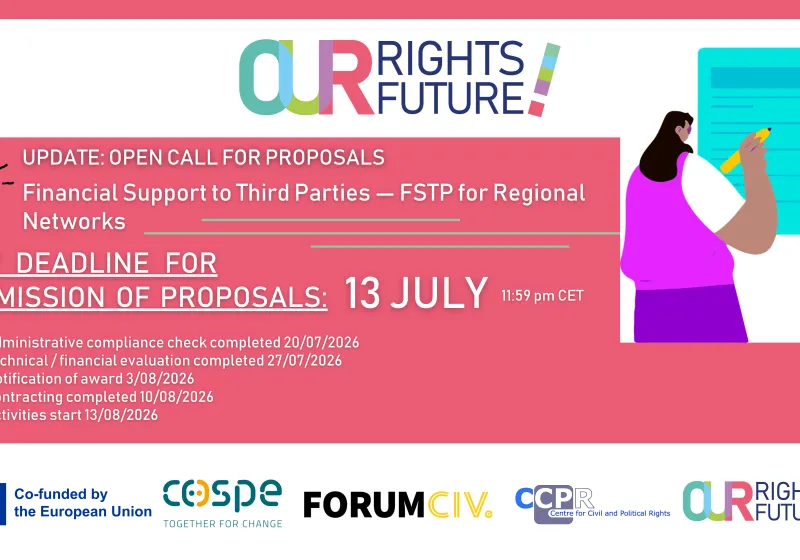
Call for proposals: Supporting regional networks for civic rights - EXTENDED DEADLINE
The Our Rights, Our Future! project has extended the deadline for submission of proposals for the Regional Networks FSTP call
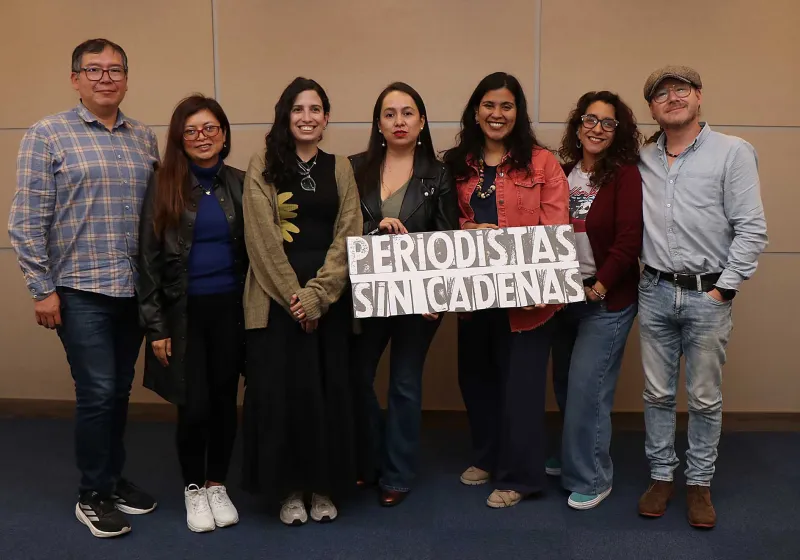
3 success stories from Latin American civil society in 2025
Across Latin America, young people, journalists and small-scale producers are driving change despite growing challenges to democracy, civic space and sustainable livelihoods. In 2025, ForumCiv and its...
 Search
 SVENSKA