


ForumCiv champions Kenya’s landmark National Care Policy for gender equality
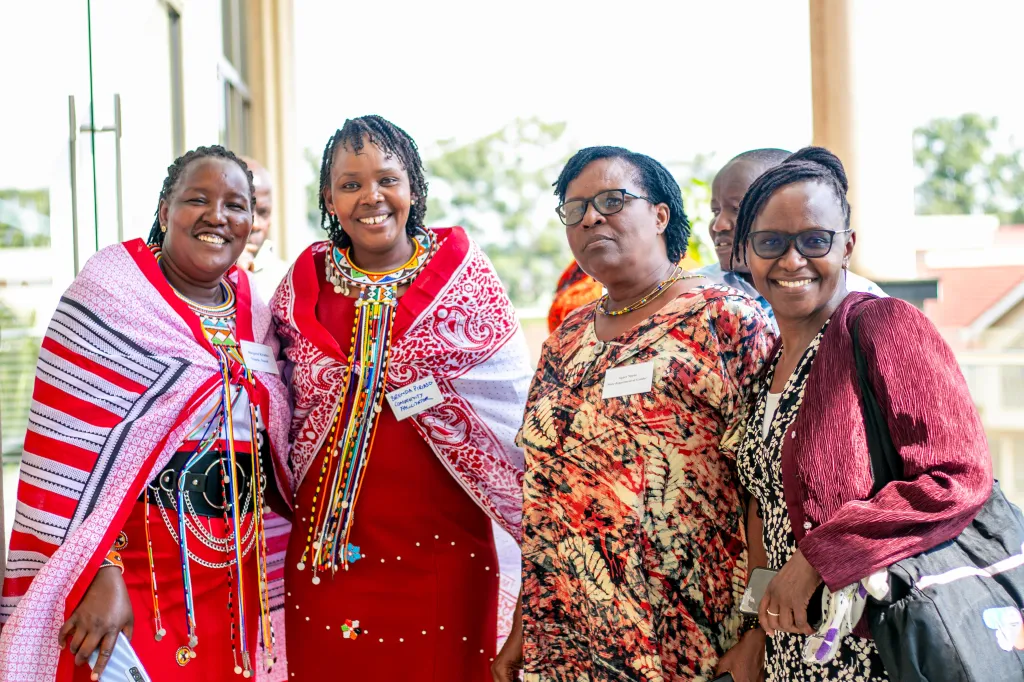
In 2025, the Public–Private–Development Partnership (PPDP) for Inclusive Decent Employment and Productive Livelihoods project, played a pivotal role in advancing Kenya’s National Care Policy from advocacy to national adoption by supporting strategic multi-stakeholder dialogues and media advocacy.
During last year's International Day for Care and Support, ForumCiv, the International Labour Organization, and state partners, held public discussions that highlighted how women disproportionately shoulder the burden of unpaid care work and the consequent negative effects on their social, political, and economic welfare. This public engagement played a key role in building momentum for the policy, which was subsequently approved by Cabinet on December 15, 2025.
Kenya’s National Care Policy is a landmark framework aimed at addressing longstanding gender inequalities arising from unpaid domestic and care work, a burden that women and girls disproportionately carry. According to the Kenya National Bureau of Statistics, women spend significantly more time on unpaid care than men, with women dedicating about three hours and 36 minutes more per day to care and domestic tasks than men on average, underscoring the scale of the inequality the policy seeks to tackle.
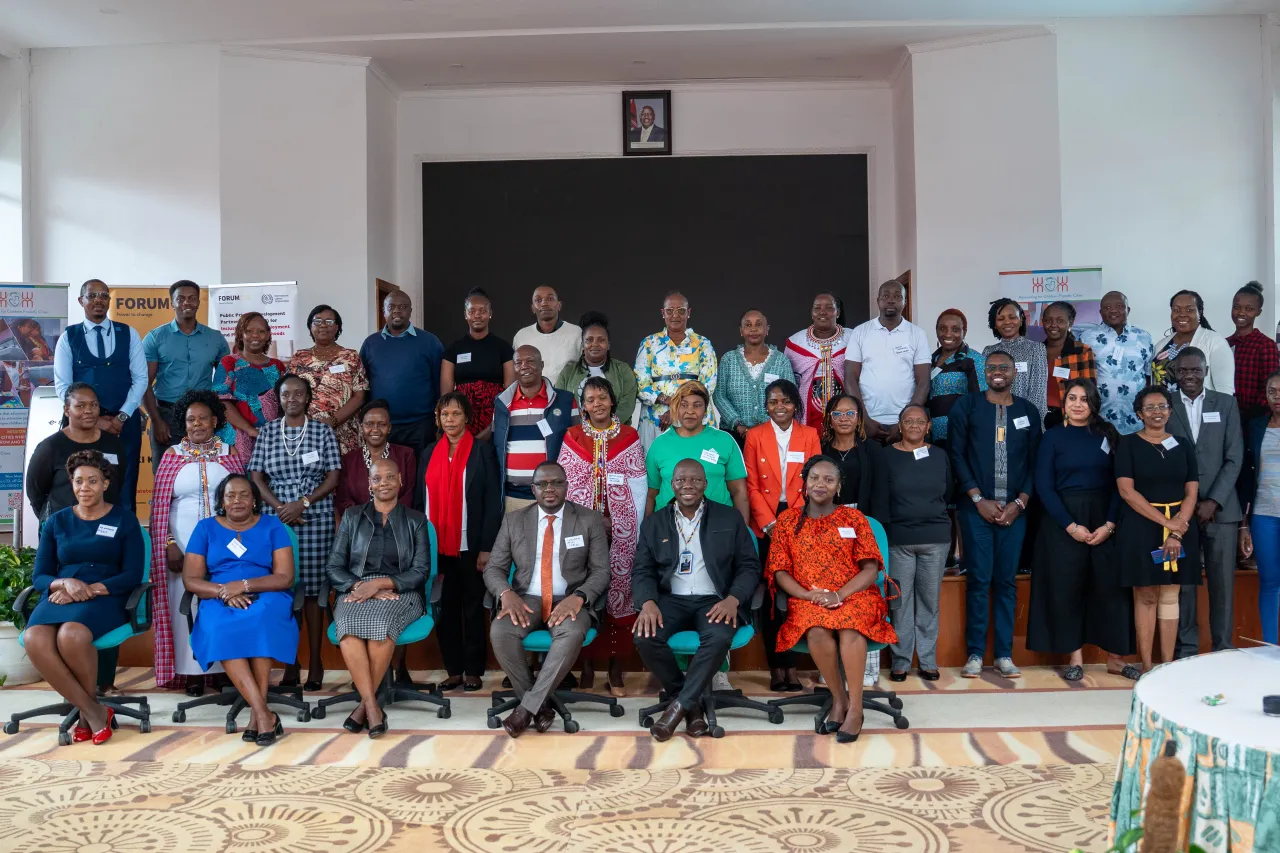
The PPDP project operates in the arid and semi-arid lands (ASAL) of Narok and Kajiado Counties, regions marked by deeply entrenched patriarchal norms where women face pervasive challenges such as gender-based violence, lack of agency, limited voice, and scarce economic resources. These structural inequities are compounded by high unpaid care burdens that restrict women’s time for education, paid employment, civic engagement, and leadership.
The National Care Policy will help address these challenges by:
- Recognizing unpaid care work as essential economic and social labour that must be accounted for in policy and planning.
- Promoting the redistribution of care responsibilities within households, communities, and public institutions.
- Encouraging the reduction of care burdens through investments in care infrastructure and public services, such as childcare, eldercare, water and energy access.
- Advocating for representation and support for caregivers through social protection, decent work standards, and gender-responsive public services.
The Policy aligns with Sustainable Development Goal 5.4, which commits countries to recognize and value unpaid care and domestic work through public services, infrastructure, and social protection, and to promote shared responsibility within households.
Over the next two years, the National Care Policy will be an instrumental tool for the PPDP project. The project will collaborate with national and county gender departments to support the roll-out of policy-aligned interventions.
Other recent articles

Confidence, leadership, and the journey to lasting change
For Joel, the change was both personal and practical. He developed the confidence to speak publicly, communicate strategically, and present himself as a credible candidate. He also learned how to use...
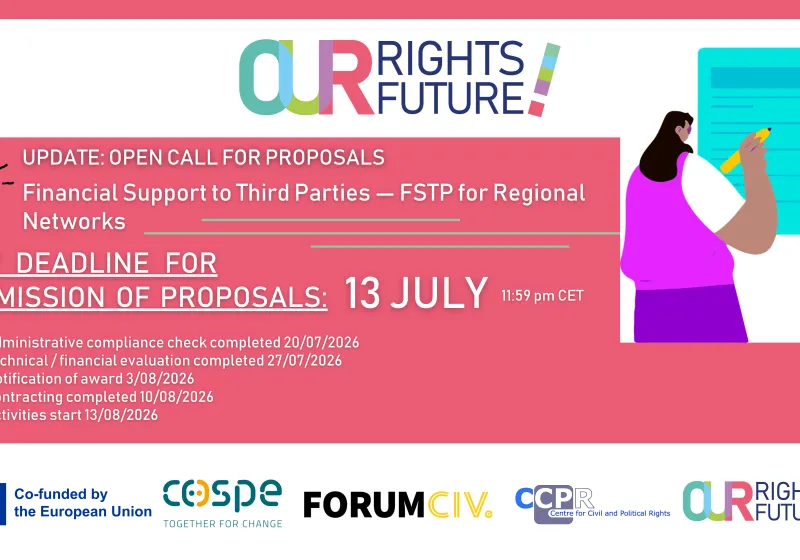
Call for proposals: Supporting regional networks for civic rights - EXTENDED DEADLINE
The Our Rights, Our Future! project has extended the deadline for submission of proposals for the Regional Networks FSTP call
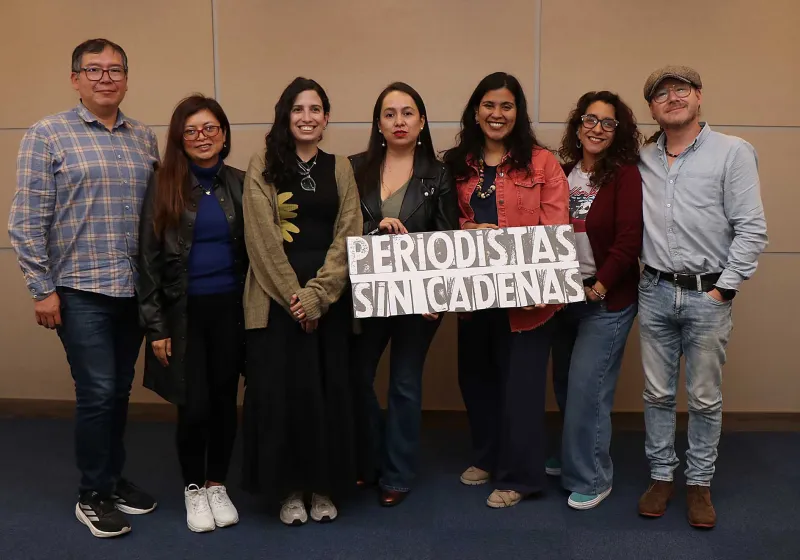
3 success stories from Latin American civil society in 2025
Across Latin America, young people, journalists and small-scale producers are driving change despite growing challenges to democracy, civic space and sustainable livelihoods. In 2025, ForumCiv and its...
 Search
 SVENSKA