


3 success stories from Latin American civil society in 2025
Safeguarding democracy by supporting fearless journalism and combating censorship in Latin America
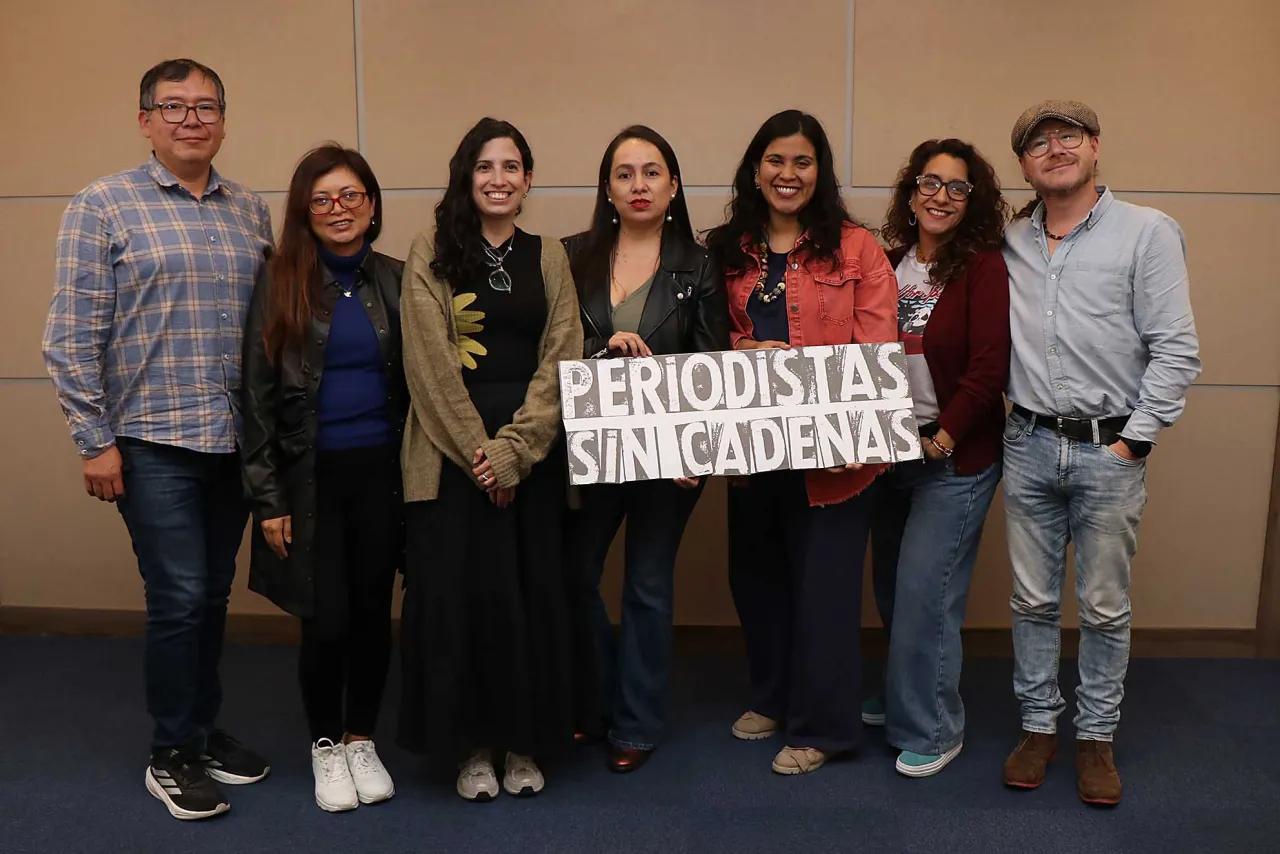
Across Latin America, democratic backsliding, censorship and shrinking civic space are making independent journalism increasingly difficult and dangerous. Journalists who investigate corruption, human rights violations and abuses of power face threats, persecution and exile. When press freedom is under attack, supporting independent media becomes essential to defending democracy and people’s right to information.
In 2025, Networks Against Silence continued to strengthen fearless, investigative and community-based journalism across Colombia, Guatemala, Honduras, Nicaragua, Ecuador and El Salvador. The initiative supported regional collaboration, protection mechanisms and visibility for journalists working in high-risk contexts.
A key result was the consolidation of Áncora: Exile of Journalism in Latin America, a platform documenting the experiences of journalists forced into exile by persecution and authoritarian pressure. In Colombia, more than 100 stories were published through Consonante between August and December 2025, produced with local reporters and focused on social, environmental, gender and human rights issues.
The project also strengthened the skills of more than 30 journalists through advanced investigative laboratories led by CLIP. This resulted in major regional investigations on Big Tech influence and lithium extraction, as well as new investigations now in development. CLIP’s public data platform NINA reached 739 registered users from 49 nationalities, supporting journalists, civil society and researchers in reporting, advocacy and public debate.
ForumCiv contributed by supporting partnerships that protect freedom of expression, strengthen democratic accountability and help ensure that critical voices continue to be heard. Through Networks Against Silence, ForumCiv helped create safer conditions for journalists, expand investigative capacity and defend civic space in a region where independent reporting is vital to democracy.
Youth-led movements redefining the future of the Global South
Young people around the world are at the forefront of defending human rights, democracy and social justice, yet many youth-led organisations face shrinking civic space, limited resources and increasing risks when organising and advocating for change. These challenges are particularly acute for young people from marginalised communities, whose voices are often excluded from decision-making processes.
To address these barriers, ForumCiv, COSPE and the Centre for Civil and Political Rights launched Our Rights, Our Future!, a three-year initiative supported by the European Union. The project works across South and Southeast Asia, Latin America, Sub-Saharan Africa, and the Middle East and North Africa to strengthen the capacity, safety and agency of youth-led and youth-focused civil society actors.
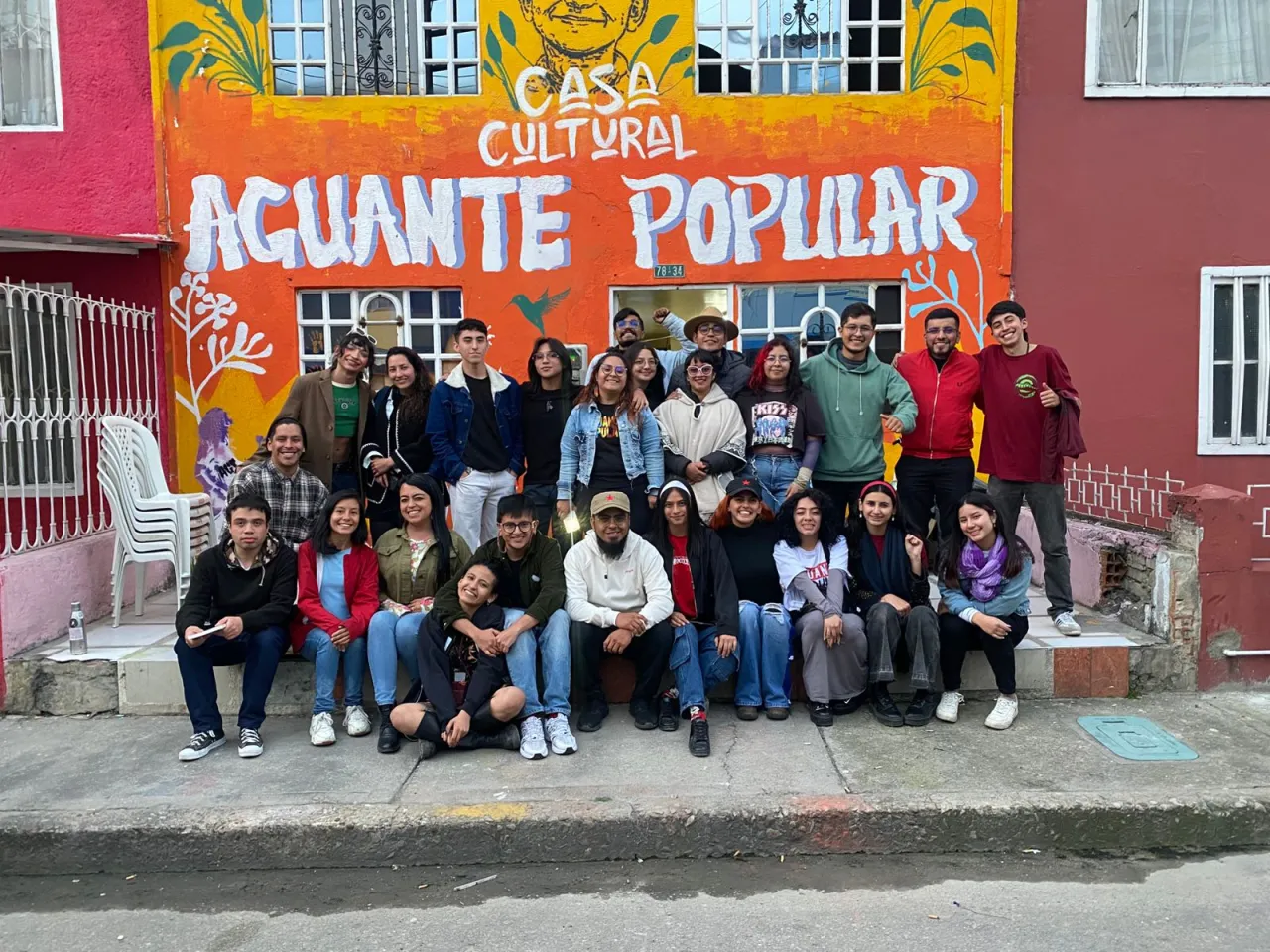
By the end of 2025, the programme had already established itself as an emerging platform for youth-led learning, collaboration and civic engagement across the Global South. The online learning platform attracted 538 registered participants, demonstrating strong engagement and demand among young activists and civil society actors. Supported by a network of 46 partners, trainers and tutors, the programme created new opportunities for young people to strengthen their knowledge, build connections across regions and engage in collective action for human rights and democratic participation.
ForumCiv contributed by helping create a global platform where young people can learn from one another, strengthen their organisations and build solidarity across borders. Through the project, ForumCiv supports youth-led movements to claim space, influence decision-making and shape more democratic, inclusive and rights-based societies.
How small coffee producers in Huila are reaching global markets
Small-scale coffee producers in Colombia often face significant barriers to accessing international markets. Increasing sustainability requirements, limited resources and a lack of technical support can make it difficult for micro, small and medium-sized enterprises (MSMEs) to compete globally. At the same time, new regulations such as the EU Deforestation Regulation (EUDR) require producers to demonstrate that their products are not linked to deforestation, creating additional challenges for those seeking to export.
In 2025, the Green Colombian Coffee Value Chains (CAVEC) project supported nearly 100 coffee-producing MSMEs in the department of Huila to strengthen their businesses and improve access to sustainable export markets, particularly in Europe. Through training and technical assistance, participating enterprises integrated Environmental and Social Management Systems into their operations, improving traceability, strengthening business practices and increasing their capacity to meet international sustainability standards. The project also fostered collaboration among producers, creating new networks and opportunities for joint learning and market engagement.
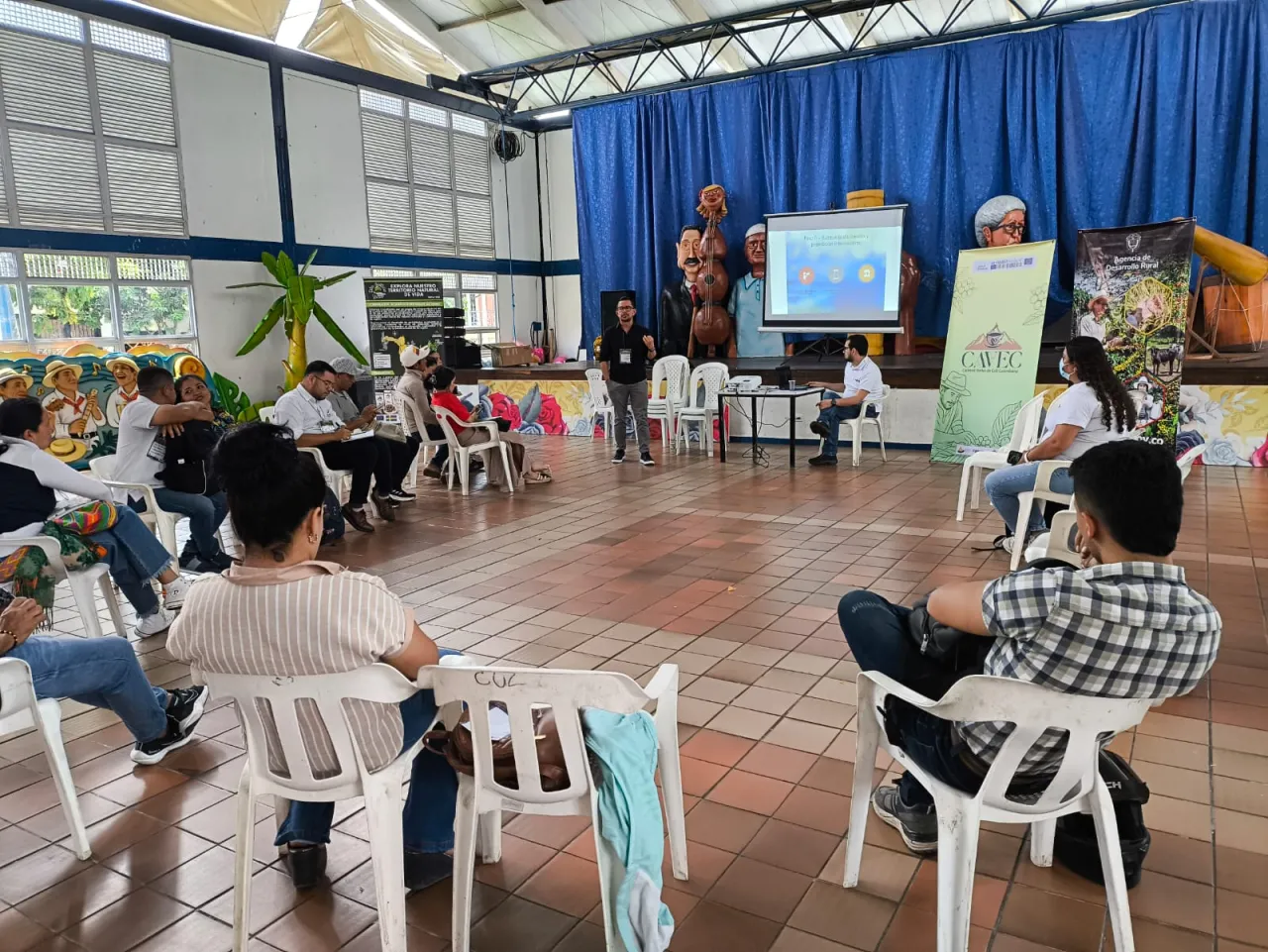
To help ensure long-term impact, three Memorandums of Understanding were signed with the Agencia de Desarrollo Rural, the Gobernación del Huila and the Alcaldía de Neiva. These partnerships strengthened cooperation between local authorities and development actors, creating stronger conditions for sustainable rural development in the region.
ForumCiv led the project in partnership with Inclusive Business Partners and the Gobernación del Huila, with funding from the European Union's AL-INVEST Verde programme. By supporting small coffee producers to become part of fair and sustainable value chains, ForumCiv contributed to improved livelihoods, stronger local organisations and greater opportunities for rural communities to participate in the global economy on equitable terms.
Other recent articles
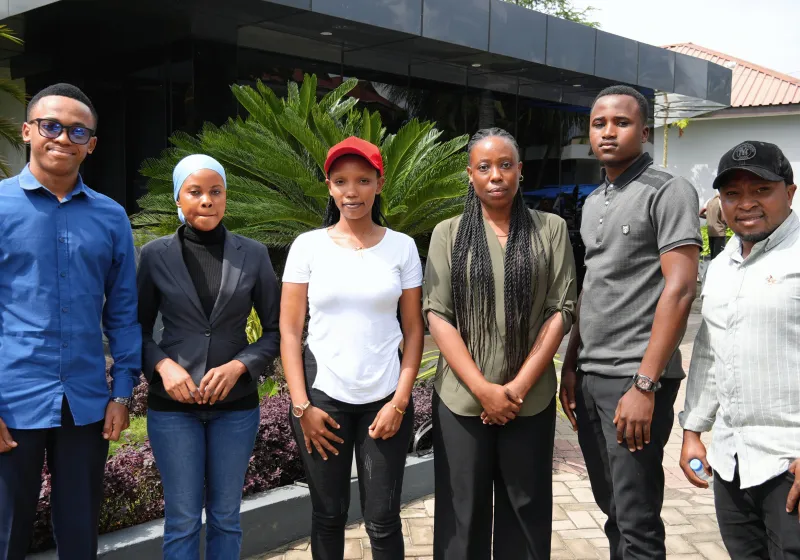
Confidence, leadership, and the journey to lasting change
For Joel, the change was both personal and practical. He developed the confidence to speak publicly, communicate strategically, and present himself as a credible candidate. He also learned how to use...
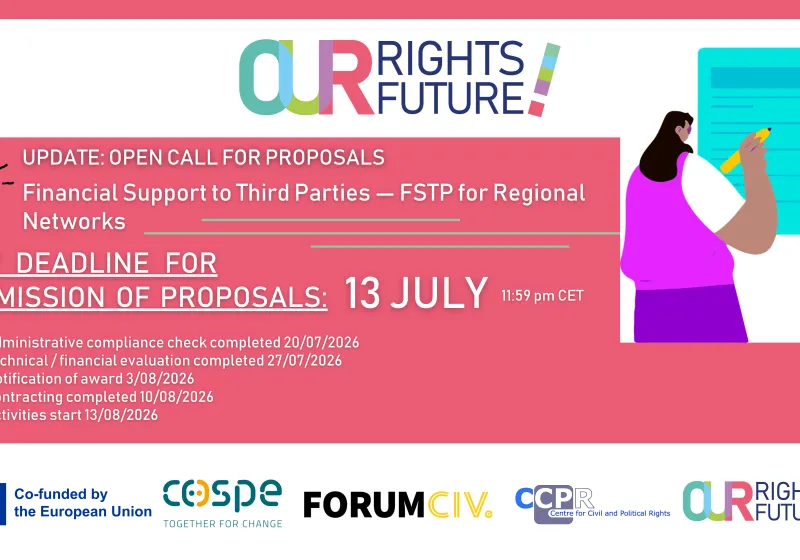
Call for proposals: Supporting regional networks for civic rights - EXTENDED DEADLINE
The Our Rights, Our Future! project has extended the deadline for submission of proposals for the Regional Networks FSTP call
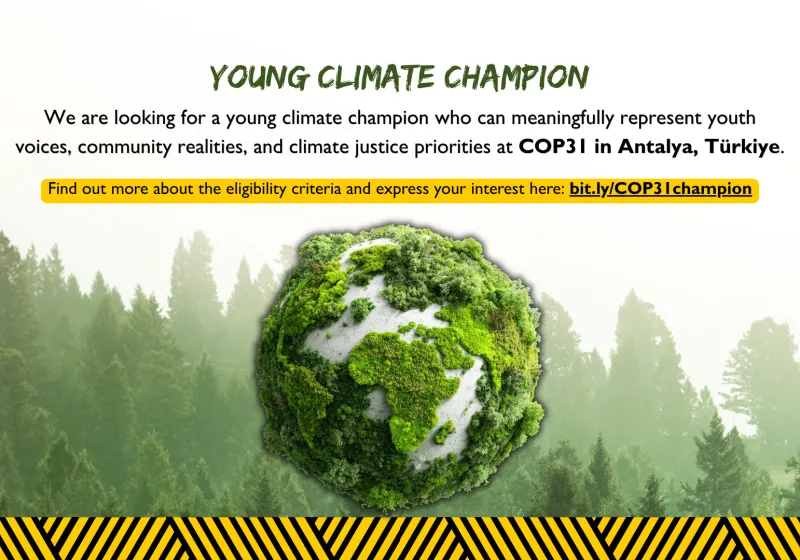
ForumCiv young climate champion selection criteria for COP31
ForumCiv is looking for a young person aged 18–30 with demonstrated climate justice leadership, strong communication ability, experience in advocacy or community mobilization, a clear understanding of...
 Search
 SVENSKA