


Can Sweden become a global development leader again?
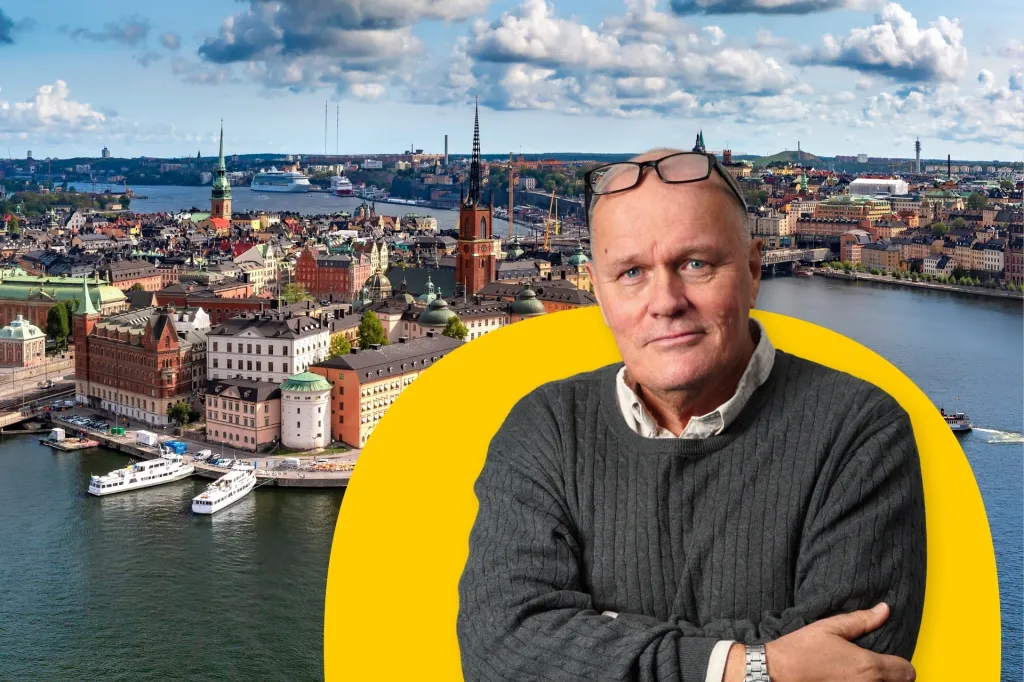
Following the Swedish election, the centre-left parties hold a narrow parliamentary majority. While the formation of a new government remains uncertain, the parties broadly agree on several development policy priorities: gradually returning Swedish aid towards one percent of GNI, putting poverty and the needs of people in fragile contexts at the centre, and moving away from linking aid to Swedish migration and export objectives.
The authors look back at the major shifts in Swedish development cooperation since 2022. During this period, the one percent target was abandoned, the aid budget was reduced and support was increasingly redirected towards domestic policy interests. At the same time, several long-standing partnerships with some of the world’s poorest and most fragile countries were phased out, while support to Ukraine was increasingly financed from within the aid budget.
Holmqvist and Käppeli argue that changing direction cannot simply mean recreating Sweden’s development policy of the past. A new government would need to combine greater focus and predictability with principles that strengthen effective development cooperation: prioritising poverty and fragility, supporting civil society and multilateral cooperation, ensuring local ownership and strengthening coherence between aid and other policy areas.
They also highlight three questions that will be central in the coming years: how a return towards one percent of GNI can be translated into predictable and effective development finance; how Sweden can maintain strong support for Ukraine without making people in other vulnerable contexts carry the cost; and how Sweden can ensure that policies on areas such as climate, migration, trade and international finance contribute to sustainable global development.
In a world marked by growing humanitarian needs, debt crises and shrinking aid budgets, Sweden cannot compensate for declining support from larger donors. But, the authors argue, Sweden can choose what kind of development partner it wants to be: one that defends international law, invests in prevention, supports strong multilateral institutions and civil society, and builds long-term partnerships rather than short-term transactions.
Other recent articles
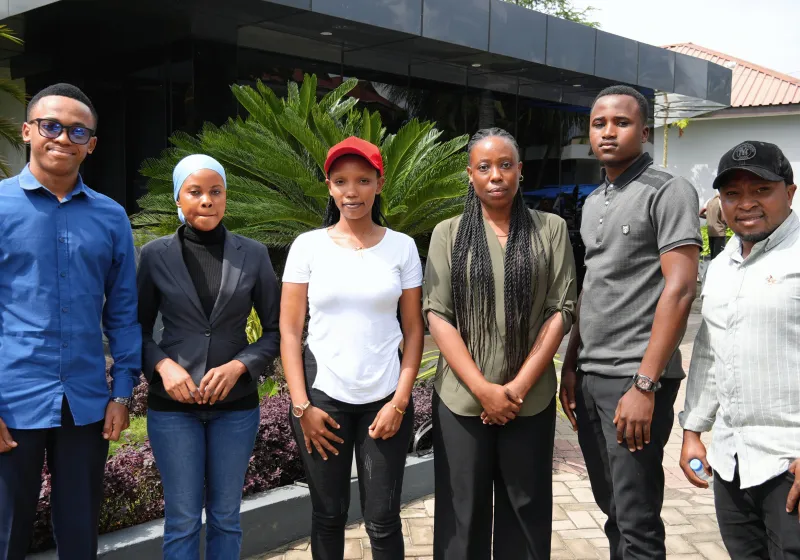
Confidence, leadership, and the journey to lasting change
For Joel, the change was both personal and practical. He developed the confidence to speak publicly, communicate strategically, and present himself as a credible candidate. He also learned how to use...
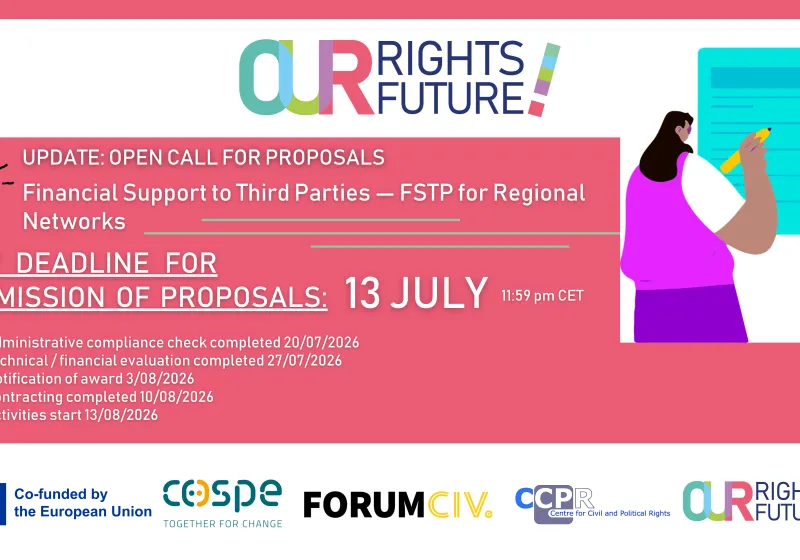
Call for proposals: Supporting regional networks for civic rights - EXTENDED DEADLINE
The Our Rights, Our Future! project has extended the deadline for submission of proposals for the Regional Networks FSTP call
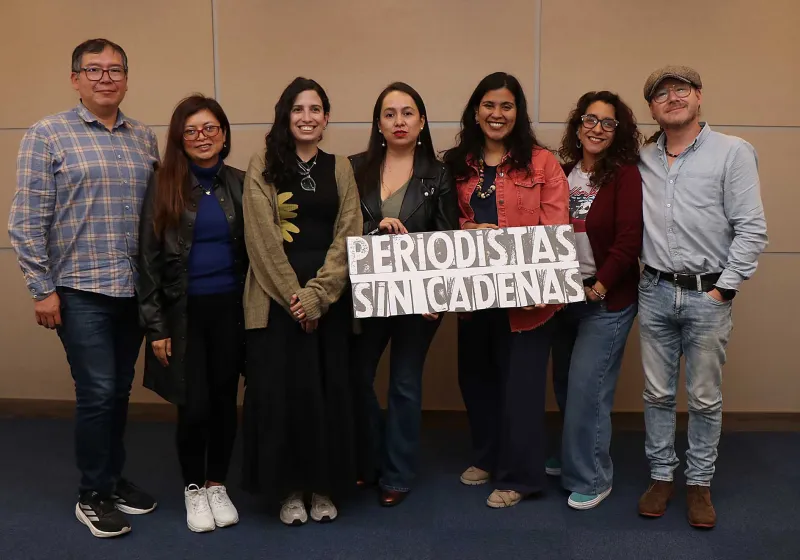
3 success stories from Latin American civil society in 2025
Across Latin America, young people, journalists and small-scale producers are driving change despite growing challenges to democracy, civic space and sustainable livelihoods. In 2025, ForumCiv and its...
 Search
 SVENSKA